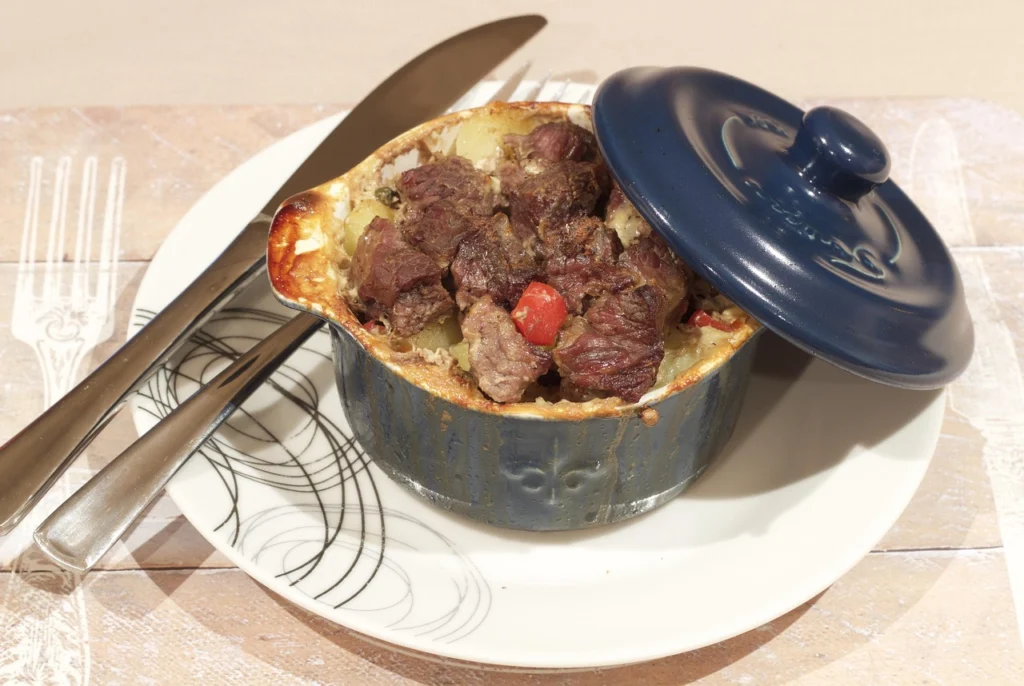
Short answer: To fix bland beef stew, start by browning the meat deeply, then deglaze the pan. Layer seasonings throughout cooking, use broth instead of water, and add umami-rich ingredients like tomato paste, soy sauce, or Worcestershire. Finish with acid and fresh herbs just before serving.
Key takeaways
- Brown beef in batches for deep flavor.
- Deglaze with wine or broth to lift fond.
- Use broth, not water, as the liquid base.
- Add umami boosters like tomato paste or soy sauce.
- Season in layers, not all at once.
- Finish with acid and fresh herbs.
What you will find here
A bland beef stew is a common frustration, but it’s almost always fixable. The most effective first move is to add depth with browned meat, a richer liquid, and a combination of umami-heavy seasonings. Small adjustments like a splash of acid or a spoonful of tomato paste can transform a flat stew into a rich, savory meal.

What Makes Beef Stew Taste Bland?
Stews often taste bland because of missed opportunities to build flavor at each step. Skipping the browning process, using water instead of broth, or underseasoning at the start are common culprits. Beef stew needs layers of flavor: caramelized meat, aromatic vegetables, well-seasoned liquid, and a finishing touch of brightness.
Another common issue is cooking too fast or too slow. A slow simmer breaks down connective tissue and melds flavors, but a hard boil can make the meat tough and the broth thin. Pay attention to heat, and taste as you go. If the stew tastes flat near the end, you can still fix it without starting over.
Start with Proper Browning
Browning beef is not just about color—it’s about flavor. When meat hits a hot pan, the Maillard reaction creates hundreds of savory compounds. If the pan is overcrowded or the meat is wet, it steams instead of browns. Dry the beef with paper towels, season it lightly with salt, and work in batches over medium-high heat.
Don’t rush this step. Give each piece room to develop a deep brown crust. After browning, remove the beef and add a splash of liquid to the hot pan. Scrape up the browned bits—that’s concentrated flavor. Use wine, broth, or even water with a spoonful of tomato paste to deglaze. Pour that liquid into the stew pot.

Layer Seasonings Throughout Cooking
Salt is the single most important seasoning in beef stew, but timing matters. Add it gradually: a pinch when browning the meat, another when sautéing vegetables, and a final adjustment before serving. This builds a balanced flavor without becoming salty.
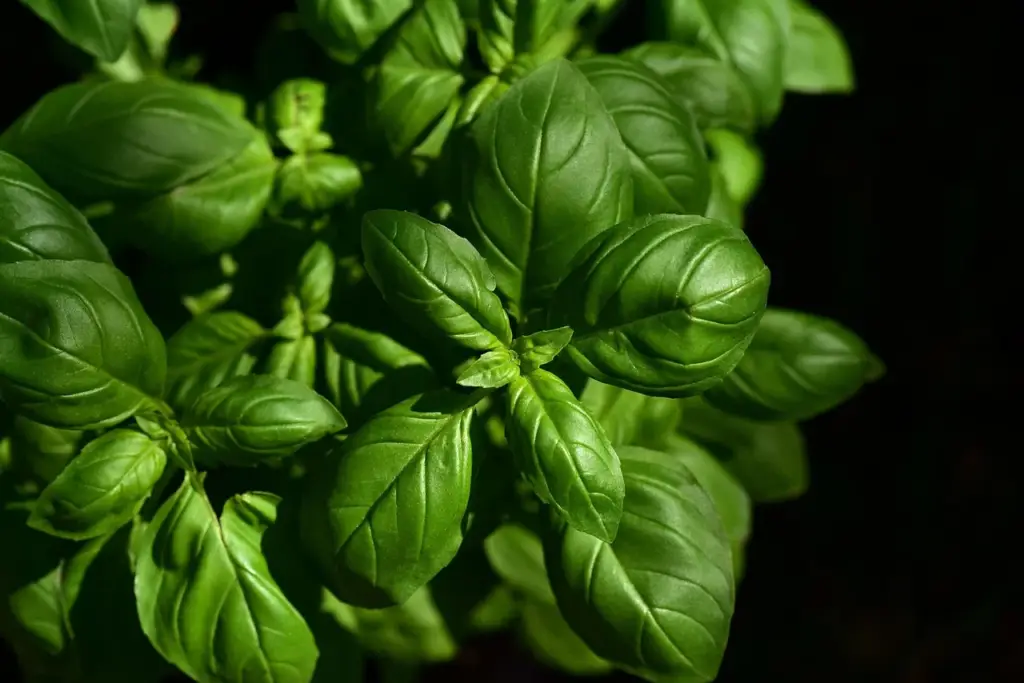
Dried herbs like thyme, bay leaf, and rosemary work well early, as they release flavor over time. Black pepper, garlic powder, and onion powder can go in mid-cooking. Save fresh herbs like parsley or chives for the end. A final sprinkle of bright herb right before serving wakes up the whole pot.
What to Add When Stew Is Already Cooked
If your stew is already done and still bland, don’t despair. Stir in a tablespoon of tomato paste and cook for a few minutes to deepen the flavor. A splash of soy sauce, fish sauce, or Worcestershire sauce adds instant umami. Taste, then add a little more if needed.
Acid is often the missing piece. A squeeze of lemon juice, a spoonful of red wine vinegar, or even a few drops of hot sauce can brighten the entire dish. Start with a teaspoon, stir, and taste. You can always add more, but you can’t take it out.
Use a Richer Liquid Base
Water is the least flavorful liquid for stew. Beef broth or beef stock gives a much better foundation. If you only have chicken broth, use that—it’s still richer than water. For extra depth, add a cup of red wine, a can of diced tomatoes with their juices, or even a spoonful of beef base dissolved in hot water.
When using a slow cooker, reduce the liquid more than you think. Slow cookers trap steam, which dilutes flavor. Use just enough liquid to barely cover the ingredients. If the stew is too thin at the end, remove the lid and cook on high for 30 minutes to reduce it, or stir in a slurry of cornstarch and cold water.

Boost Umami with Pantry Staples
Umami is the savory depth that makes stew satisfying. Many pantry ingredients are loaded with it. Tomato paste, anchovy paste, miso, soy sauce, and Worcestershire sauce all add richness without making the stew taste like any single one of them. Start with a teaspoon and build up.
Mushrooms are another excellent addition. Sauté sliced mushrooms before adding them to the stew, or stir in a spoonful of mushroom powder. A Parmesan rind simmered in the pot adds a subtle, nutty complexity. Remove the rind before serving, or let it melt into the sauce for an even richer result.
Comparison of Common Flavor Boosters
| Booster | Flavor Profile | Amount to Start | Best Time to Add |
|---|---|---|---|
| Tomato paste | Sweet, tangy, deep umami | 1–2 tablespoons | Early or late |
| Soy sauce | Salty, savory, slightly sweet | 1–2 teaspoons | Late or mid-cook |
| Worcestershire | Tangy, fermented, savory | 1 teaspoon | Any time |
| Red wine vinegar | Bright, acidic, fruity | 1 teaspoon | At the end |
| Miso paste | Earthy, salty, umami | 1 teaspoon diluted | Late, off heat |
Don’t Forget Aromatics and Vegetables
Onions, garlic, celery, and carrots form the flavor backbone of most stews. If they are added raw without being sautéed first, they won’t develop their full sweetness. Cook onion and celery in a little oil or beef fat until soft and lightly browned before adding liquid. Add garlic near the end of sautéing, so it doesn’t burn.
Vegetables also release water as they cook, which can dilute the broth. If you add potatoes, turnips, or parsnips, cut them into larger chunks and add them partway through cooking. This keeps them from turning to mush and helps the stew maintain a concentrated flavor.
Fix Bland Stew at the End
Even after careful layering, a stew can still taste flat right before serving. The easiest fixes are salt, acid, and a final hit of umami. Taste the broth, not just the meat. If it doesn’t make your mouth water, add a pinch of salt and a splash of vinegar or lemon juice.
For a richer mouthfeel, stir in a pat of cold butter, a swirl of heavy cream, or a spoonful of sour cream. These additions round out the flavors and add body. A handful of chopped fresh parsley or dill gives a fresh, green note that contrasts with the deep, slow-cooked richness.
When to Consider Starting Over
There are a few situations where fixing a bland stew may not be worth the effort. If the stew has been boiling for hours and the meat is dry and stringy, no amount of seasoning will restore its texture. If the broth tastes scorched or bitter, those flavors are hard to mask.
In those cases, salvage what you can. Strain the liquid, discard the ruined meat, and use the broth as a base for a fresh batch. Add new vegetables and properly browned beef. It takes extra time, but the result is better than serving a disappointing meal. For a simpler approach, try a slow cooker lamb stew recipe to practice building flavor without constant attention.
Next time, remember: brown deeply, season in layers, use a rich liquid, and finish with acid. That combination rarely fails.
Frequently asked questions
Can I fix bland beef stew after it is fully cooked?
Yes. Add a spoonful of tomato paste and cook for five minutes. Stir in soy sauce, Worcestershire, or miso for umami. Finish with a splash of vinegar or lemon juice, adjust salt, and add fresh herbs.
Why is my beef stew watery and flavorless?
Watery stew usually means too much liquid or not enough reduction. Remove the lid and simmer to evaporate excess liquid. Add a cornstarch slurry to thicken, then boost flavor with broth concentrate or umami seasonings.
What is the best liquid for beef stew?
Beef broth or stock is the best choice. Red wine, crushed tomatoes, or a combination of broth and wine adds complexity. Avoid using plain water unless you add bouillon or bouillon paste for flavor.
How much salt should I add to beef stew?
Season in layers. Add a pinch when browning beef, another when sautéing vegetables, and adjust at the end. For a 6-quart pot, start with about 1 teaspoon total during cooking, then taste and add more gradually.
Does Worcestershire sauce make stew taste better?
Yes. Worcestershire sauce adds tangy, savory depth from fermented ingredients. Add 1 teaspoon at a time, stir, and taste. It blends well with beef, tomatoes, and mushrooms without dominating the flavor.
Can I use chicken broth instead of beef broth in beef stew?
Yes, chicken broth is a good substitute and often richer than water. The stew will taste slightly less beefy but still savory. You can add a teaspoon of soy sauce or tomato paste to compensate for the lighter color and flavor.
How do I make beef stew rich and thick without flour?
Use natural thickeners like mashed potatoes, pureed beans, or cooked lentils. A spoonful of tomato paste also helps thicken. For a glossy finish, stir in cold butter or a splash of heavy cream just before serving.