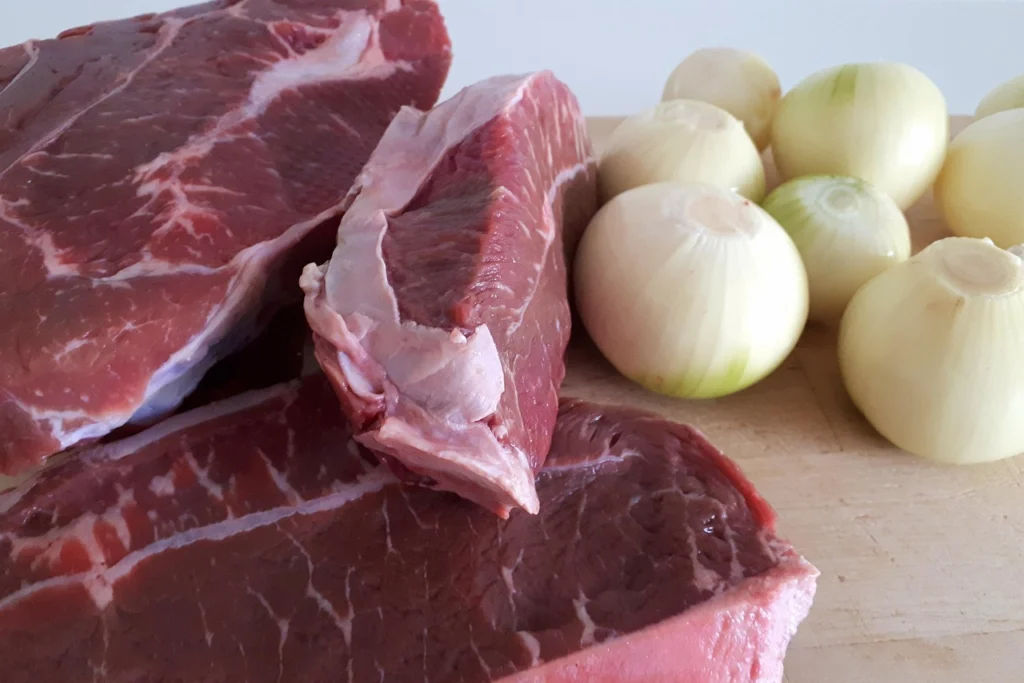
Short answer: The best beef stew meat comes from tough, well-exercised cuts like chuck, which become tender and flavorful when braised. Look for good marbling, a bright red color, and avoid packages labeled simply ‘stew meat’ with no cut identified. USDA Choice is a reliable middle ground for stew.
Key takeaways
- Chuck is the top choice for stew—flavorful and tender when braised.
- Avoid mystery ‘stew meat’ packages; ask for a specific cut.
- Look for visible marbling throughout the meat.
- USDA Select can work, but Choice gives better flavor.
- Cut meat into even pieces and brown well for best texture.
What you will find here
- What Are the Best Cuts of Beef for Stew?
- Beef Grades: What Do Choice, Prime, and Select Mean?
- How to Buy Stew Meat: Smart Shopping Tips
- How to Prep Beef Stew Meat for the Best Texture
- Common Mistakes to Avoid with Beef Stew Meat
- How to Store and Use Leftover Stew Meat
- Budget-Friendly Beef Stew Meat Options
Choosing beef stew meat starts with understanding one thing: the best cuts for stew are tough, collagen-rich muscles that break down and become tender during slow, moist cooking. Skip the pricey tenderloin—it turns dry and stringy. Instead, look for chuck, round, or other well-exercised cuts, and pay attention to grade and marbling. Here’s exactly what to look for, and why.
What Are the Best Cuts of Beef for Stew?
Chuck is the undisputed champion for beef stew. Cut from the shoulder, it has a beefy flavor, plenty of intramuscular fat, and a good amount of connective tissue that melts into gelatin during cooking. The result is tender meat and a rich, velvety sauce. You’ll often see it labeled as chuck roast, chuck shoulder, or chuck roll.
Round is a leaner, cheaper option—but it’s not my first choice. Because it has less fat and connective tissue, round can become dry or stringy if cooked too long. If you use round, cut it into smaller pieces and keep the simmer gentle. Brisket, short rib, and oxtail also make incredible stew meat, though they cost more and require longer cooking. For most home cooks, chuck is the sweet spot of flavor, tenderness, and price.
Chuck vs. Round: A Quick Comparison
| Characteristic | Chuck | Round |
|---|---|---|
| Flavor | Rich, beefy | Milder, can be bland |
| Tenderness after braise | Very tender, fall-apart | Firm, can be dry |
| Fat content | Higher, more marbling | Lower, leaner |
| Price per pound | Moderate | Usually cheaper |
| Best cooking style | Long, slow braising | Shorter braise or careful simmer |
Beef Grades: What Do Choice, Prime, and Select Mean?
In the United States, beef is graded by the USDA for quality based on marbling and maturity. The three grades you’re most likely to see are Prime, Choice, and Select. Prime has the most marbling and is usually reserved for steakhouses—it’s expensive and not necessary for stew. Choice has moderate marbling and is widely available; it’s my go-to for stew meat because the fat delivers flavor and moisture. Select is leaner and can work, but you’ll need to be more careful not to overcook it.
If you see ungraded beef or a store brand without a USDA shield, the quality can vary. Ask the butcher what cut it is and look at the marbling yourself. Even within Choice, some packages look fattier than others. Pick the one with fine white flecks throughout the red meat, not just a thick fat cap on the outside.
How to Buy Stew Meat: Smart Shopping Tips
Most supermarkets sell pre-cut “stew meat” in trays, but that label is a red flag. It’s often a mix of trimmings from different cuts, which means uneven cooking. Some pieces come out tender while others stay chewy. Instead, buy a whole chuck roast and cut it yourself. It’s cheaper per pound, and you control the size and trim.
When you’re at the meat counter, look for pieces that are bright cherry-red, not brown or gray. A little darkening at the edges is okay if the meat smells fresh. Avoid packages with excessive liquid in the tray—that’s a sign of purge, which can mean the meat is older or was previously frozen. Buy about 3/4 pound of raw stew meat per person, since the meat shrinks as it cooks.
Should You Buy Pre-Cut Stew Meat or Cut Your Own?
Here’s a clear way to decide:
- Look at the label. If it names a specific cut like chuck, it’s usually fine.
- Check the pieces for uniform size—around 1 to 1.5 inches. If they vary wildly, they won’t cook evenly.
- Compare the price to a whole chuck roast. Often, but not always, the whole roast is the better deal.
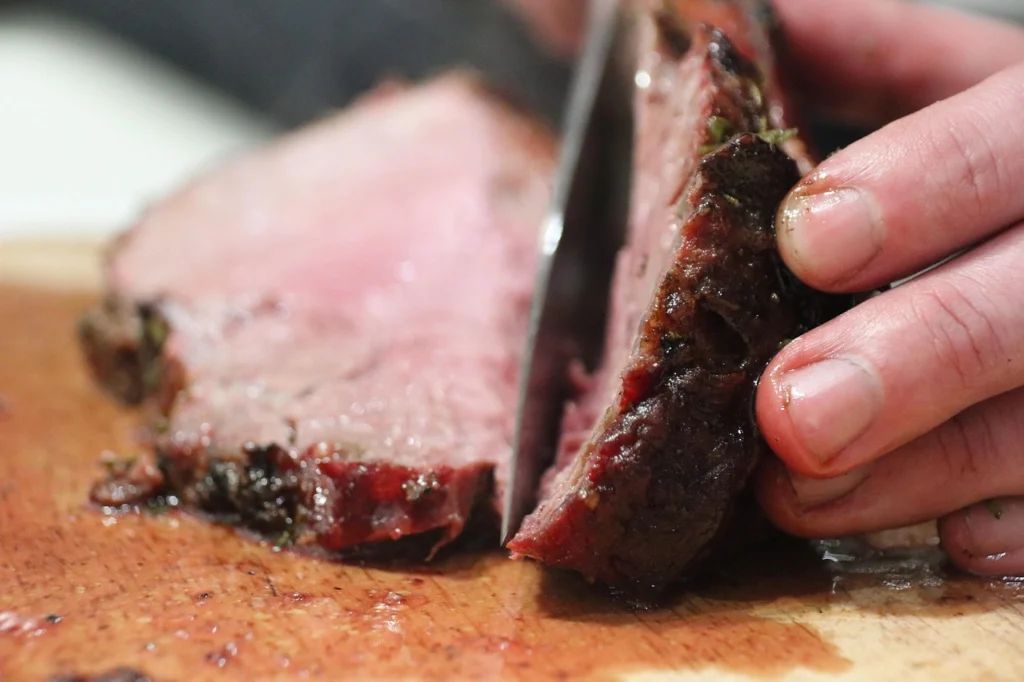
- If you have a sharp knife and five minutes, cutting your own from a chuck roast almost always gives better results.
I rarely buy pre-cut stew meat unless I’m in a rush. The savings and quality difference from buying a whole roast are worth the small effort.
How to Prep Beef Stew Meat for the Best Texture
Once you have your beef, cut it into even cubes—about 1 to 1.5 inches for bite-sized pieces. Bigger chunks take longer to become tender but hold their shape better. Smaller pieces cook faster but can fall apart. Pat the meat dry with paper towels before browning; surface moisture prevents a good sear.
Browning is non-negotiable for flavor. Heat a heavy pot or Dutch oven over medium-high, add a little oil, and sear the meat in batches so the pieces don’t crowd. Let them sit undisturbed for a few minutes until a deep brown crust forms, then turn. That crust is where the stew’s rich taste begins. After searing, deglaze the pot with a splash of broth or wine to lift those browned bits into your sauce.
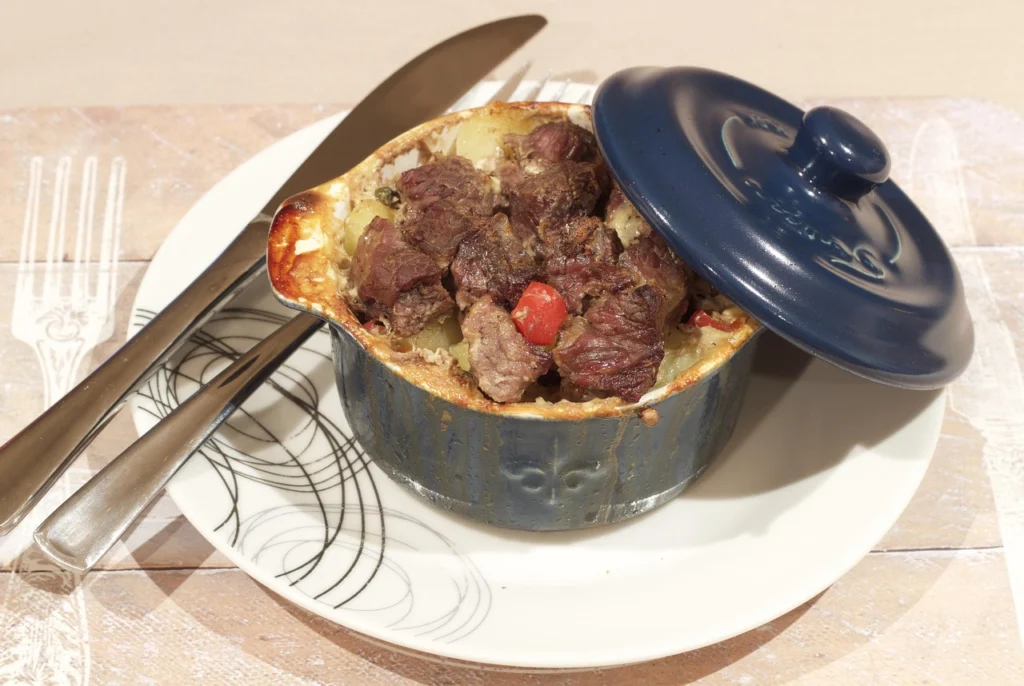
Common Mistakes to Avoid with Beef Stew Meat
The biggest mistake is choosing the wrong cut. Lean, tender cuts like sirloin or tenderloin will dry out and become tough in a stew. Another common error is not cooking long enough. Stew meat needs time—usually 1.5 to 2 hours at a gentle simmer—for the collagen to convert to gelatin. If your beef is still chewy, it’s probably undercooked, not overcooked.
Also, avoid boiling your stew. A violent boil makes the meat fibers seize and turn stringy. Keep it at a low bubble. And don’t add all the vegetables at the start; they’ll turn to mush. Add hearty roots like carrots or potatoes about halfway through, and delicate greens at the end.
How to Store and Use Leftover Stew Meat
Raw stew meat should be used within two days of purchase, or freeze it for up to six months. For freezing, arrange the cubes in a single layer on a tray first, so they don’t clump together. Then transfer to a freezer bag and press out the air. Thaw overnight in the fridge, not on the counter.
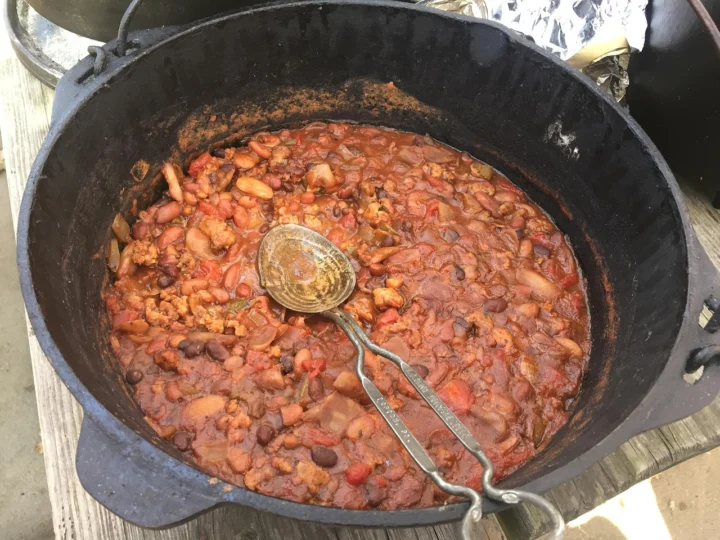
Leftover cooked stew keeps in the fridge for up to four days and freezes beautifully. Reheat gently on the stovetop, adding a splash of broth if it’s too thick. If you have extra raw stew meat, try a different preparation—the same chuck works well for chili, pot roast, or a simple braise. If you enjoy slow-cooked comfort meals, check out this Slow Cooker Lamb Stew for Beginners guide for another cozy option.
Budget-Friendly Beef Stew Meat Options
You don’t need to spend a lot to get great stew. Chuck is usually the best value for flavor. Round is cheaper but needs more care. Look for sales on whole roasts and cut them yourself—this often saves two or three dollars per pound. If you see “stew meat” on sale, check the label; sometimes it’s just chunks of chuck at a good price, and that’s fine.
Another trick is to ask the butcher for “chuck eye” or “under blade” cuts, which are often sold at lower prices but braise beautifully. Avoid anything labeled “shank” for typical stew meat unless you’re willing to pick out sinew; shank is excellent for broth but has a lot of connective tissue that never fully breaks down.
Choosing beef stew meat doesn’t have to be complicated. Pick a well-marbled chuck roast, cut it into even cubes, brown it deeply, and give it time to simmer. The result is a stew that’s rich, tender, and deeply satisfying—without spending a fortune.
Frequently asked questions
What is the best cut of beef for stew?
Chuck is the best cut for stew. It comes from the shoulder and has a good ratio of fat to lean meat, plus plenty of connective tissue. That tissue breaks down during slow, moist cooking, making the meat tender and giving the stew a rich, full-bodied flavor.
Why is my beef stew meat tough?
Tough stew meat is usually undercooked, not overcooked. The collagen in tough cuts needs time and low heat to convert into soft gelatin. If your beef is chewy, simmer it longer—often another 30 to 60 minutes—until a fork pierces it easily.
Can I use beef round for stew?
Yes, but round is leaner and has less connective tissue than chuck, so it can become dry or stringy if cooked too long. If you use round, cut it into slightly smaller pieces, brown it quickly, and keep the simmer gentle. It’s a budget option, but chuck is more reliable.
Should I buy pre-cut stew meat or a whole roast?
Buying a whole chuck roast and cutting it yourself is usually better. Pre-cut ‘stew meat’ is often a mix of trimmings from various cuts, which cook unevenly. A whole roast is cheaper per pound and lets you control the size and quality of every piece.
How much beef stew meat do I need per person?
Plan on about 3/4 pound of raw beef stew meat per person. The meat shrinks during cooking as it loses moisture and breaks down. If you’re serving big eaters or want leftovers, increase that to 1 pound per person.
Do I need to brown beef before making stew?
Yes, browning is essential for flavor. Searing the meat over high heat creates a brown crust through the Maillard reaction, which gives the stew a deep, savory taste. It’s an extra step, but it makes a significant difference in the final dish.
What does the USDA grade on beef mean for stew?
USDA grades reflect marbling and maturity. Prime has the most fat and is pricey; Choice has moderate marbling and works great for stew; Select is leaner and can be used but requires careful cooking to avoid dryness. For stew, Choice is the smart middle ground.