Why Is My Beef Stew Tough? Fix These 6 Mistakes
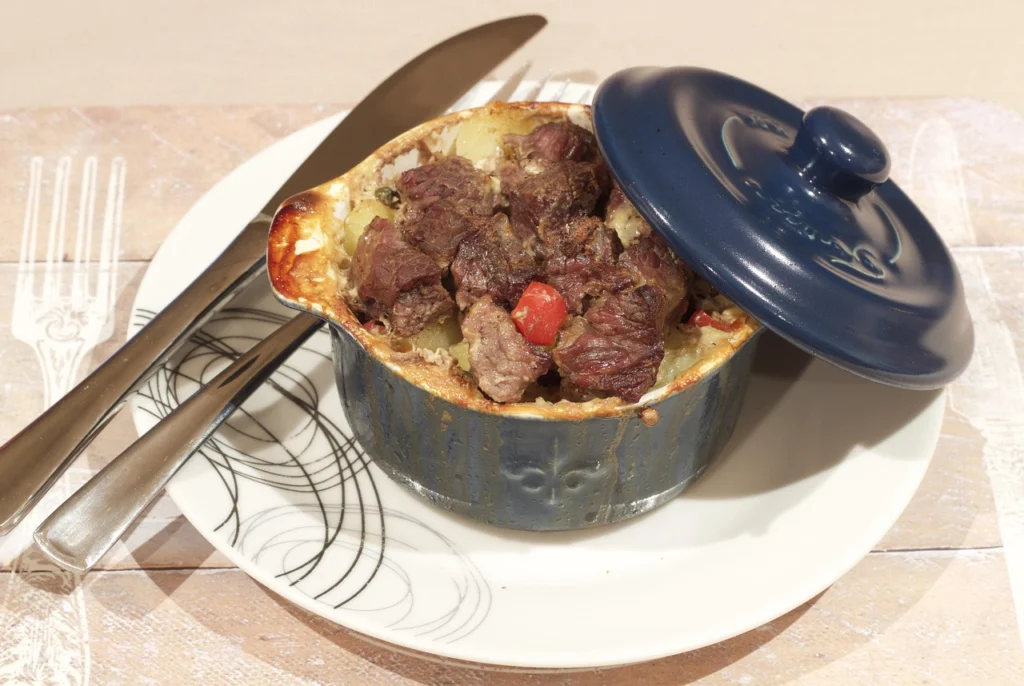
Tough beef stew usually comes down to a few fixable mistakes: the wrong cut, not enough cooking time, or a boil instead of a simmer. Here’s how to get fork-tender meat every time.
Practical advice on browning, thickening, layering flavor, adjusting seasoning, and troubleshooting common slow-cooking issues.
Tough beef stew usually comes down to a few fixable mistakes: the wrong cut, not enough cooking time, or a boil instead of a simmer. Here’s how to get fork-tender meat every time.
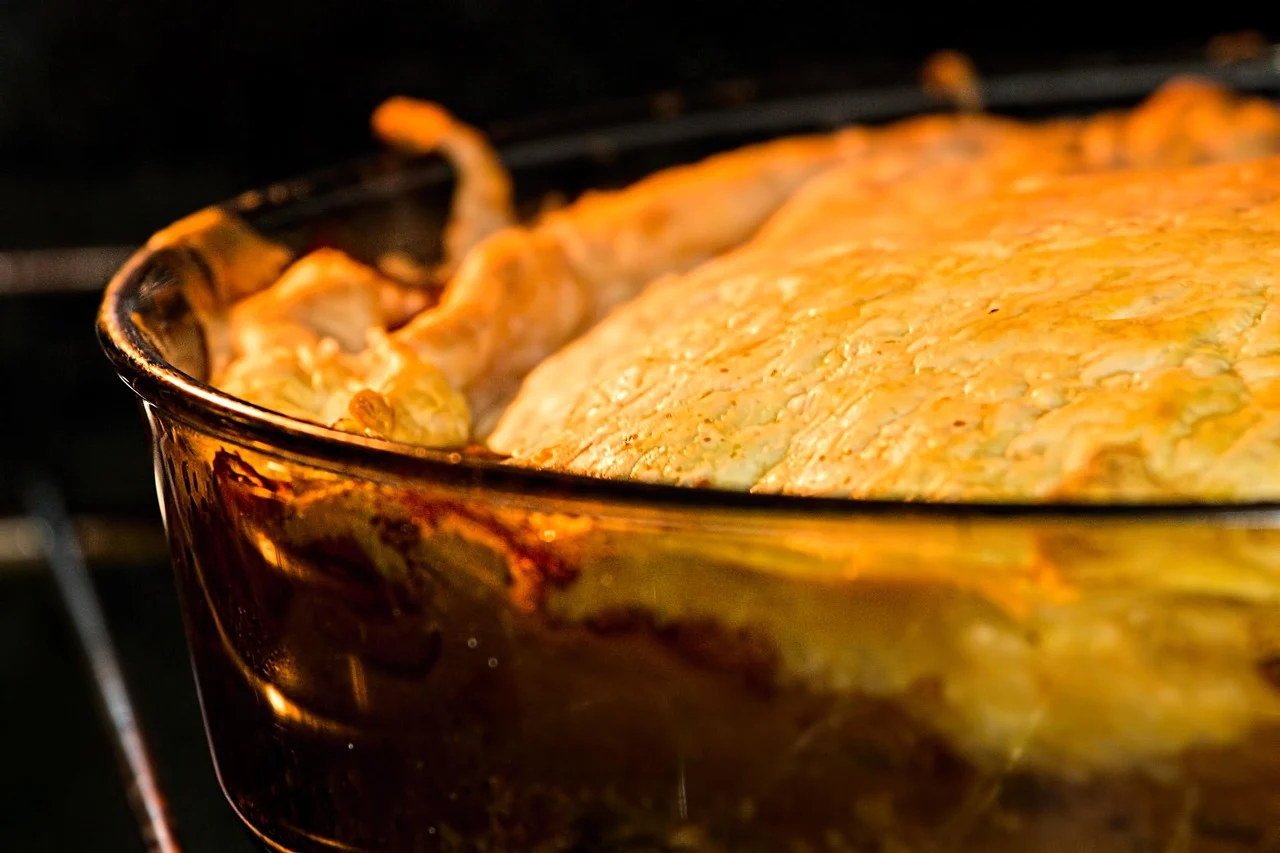
New to Dutch oven beef stew? This beginner checklist walks through every essential step, from picking the right pot and beef cut to browning, simmering, and rescuing bland or thin stew.
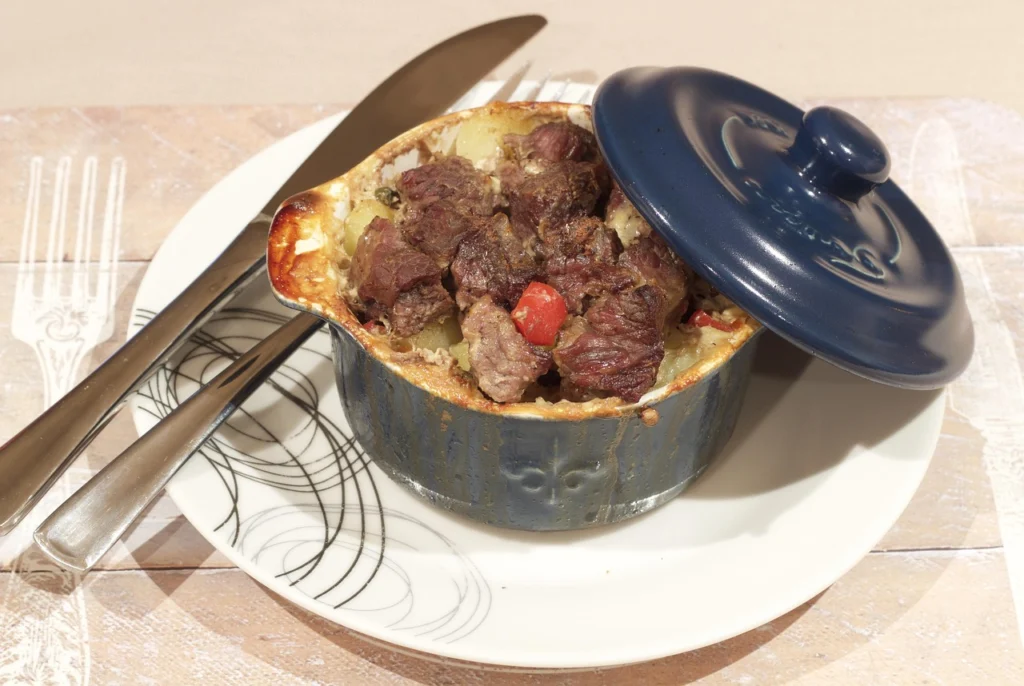
A thin stew is a fixable problem. These five flour-free methods give you a rich, glossy beef stew using ingredients you likely already have.
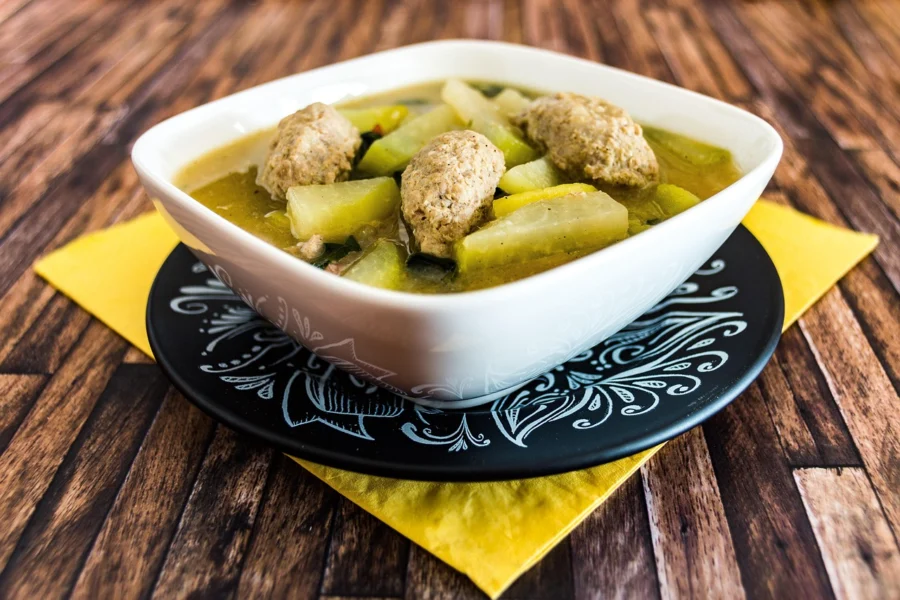
Both stews are warm, savory, and deeply satisfying, but lamb and beef bring different flavors, textures, and cooking needs to the pot. Here’s how to choose and cook each one well.
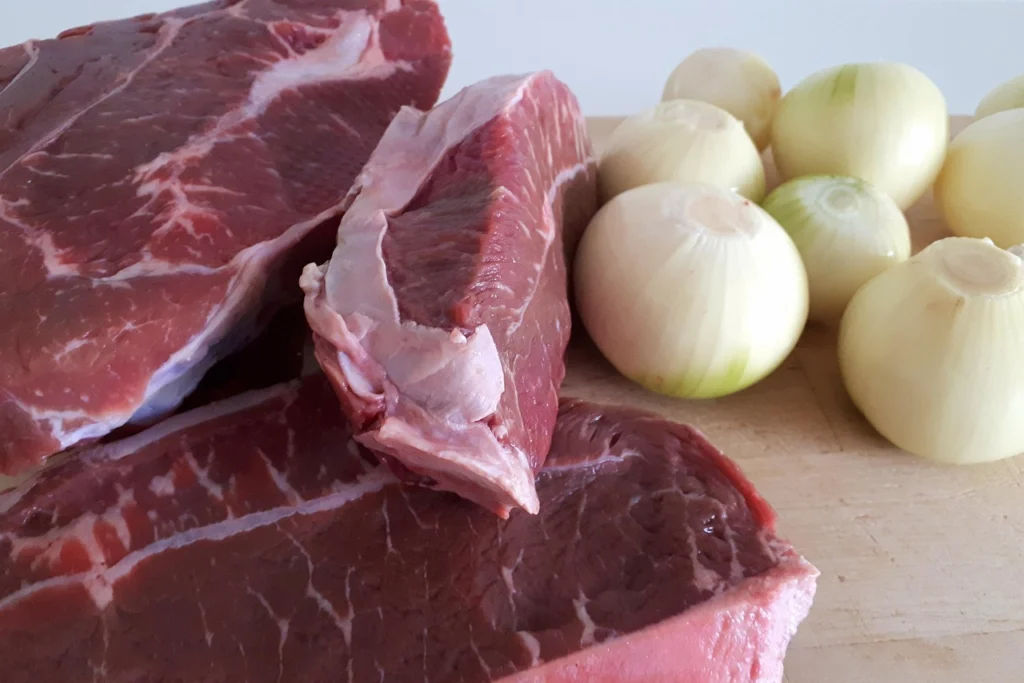
Buying beef stew meat can be confusing, but it doesn’t have to be. This guide breaks down cuts, grades, and practical tips so you can choose the right meat for a rich, tender stew every time.
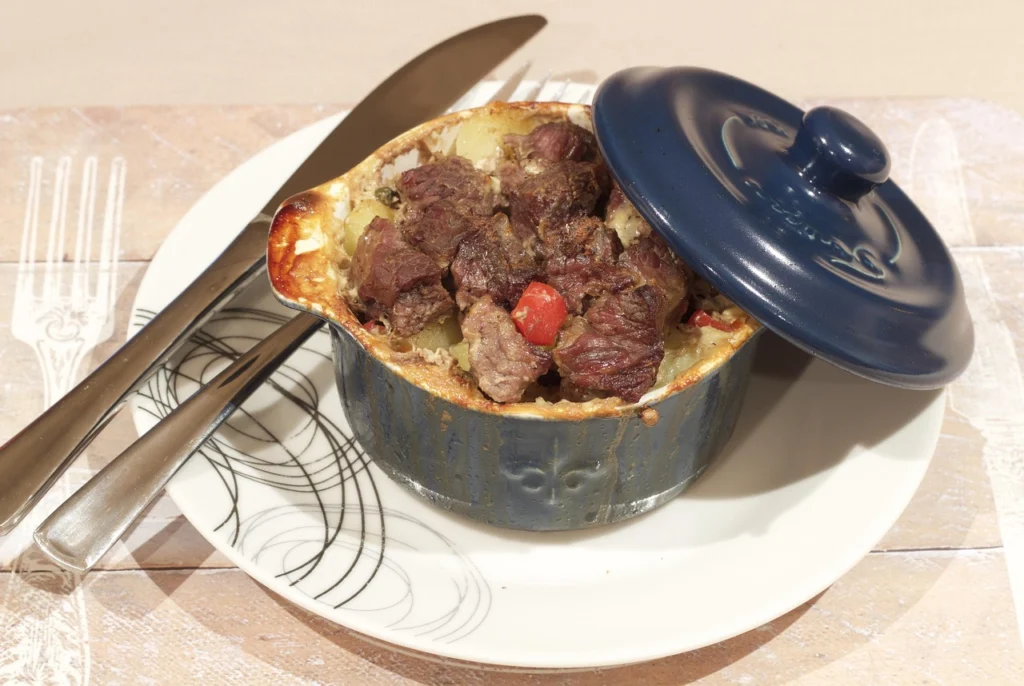
A bland beef stew is disappointing, but it’s easy to fix with simple kitchen techniques and ingredients you likely have on hand. Learn how to build deep, savory flavor at every step.
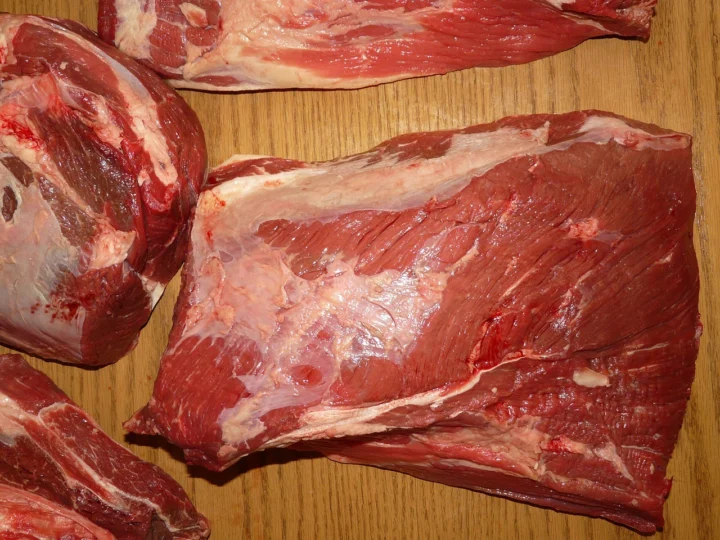
Chuck roast and round roast both show up in stew recipes, but they cook differently. Here’s how to choose the right cut for tender, flavorful beef stew every time.
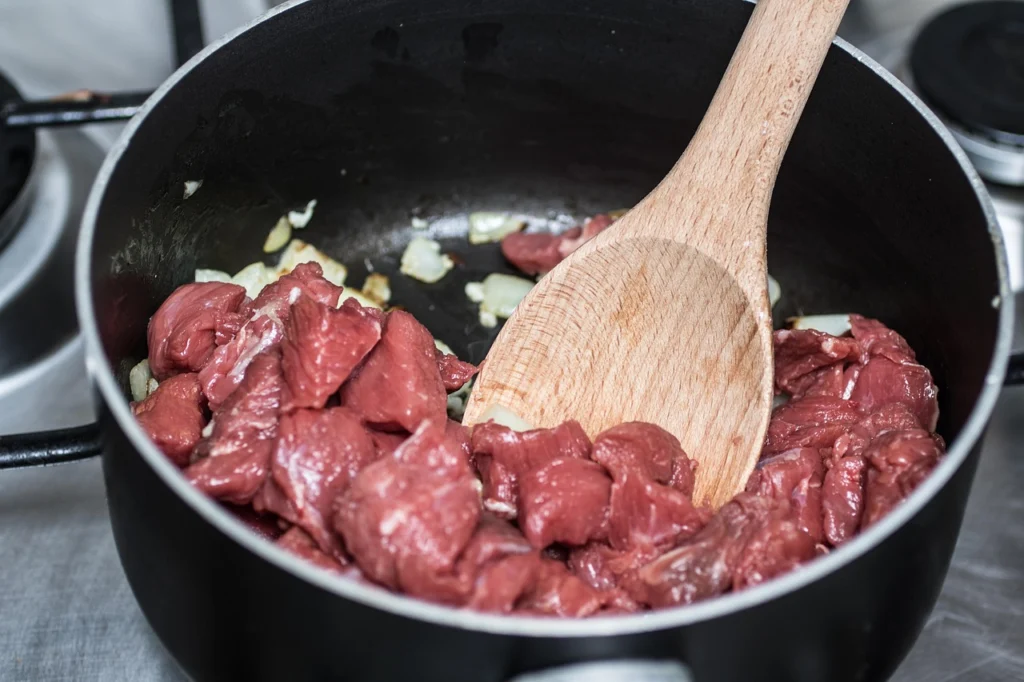
Browning beef properly is the single most important step for rich, deep stew flavor. This guide shows you exactly how to do it, from choosing the right cut to managing pan heat and batch size.
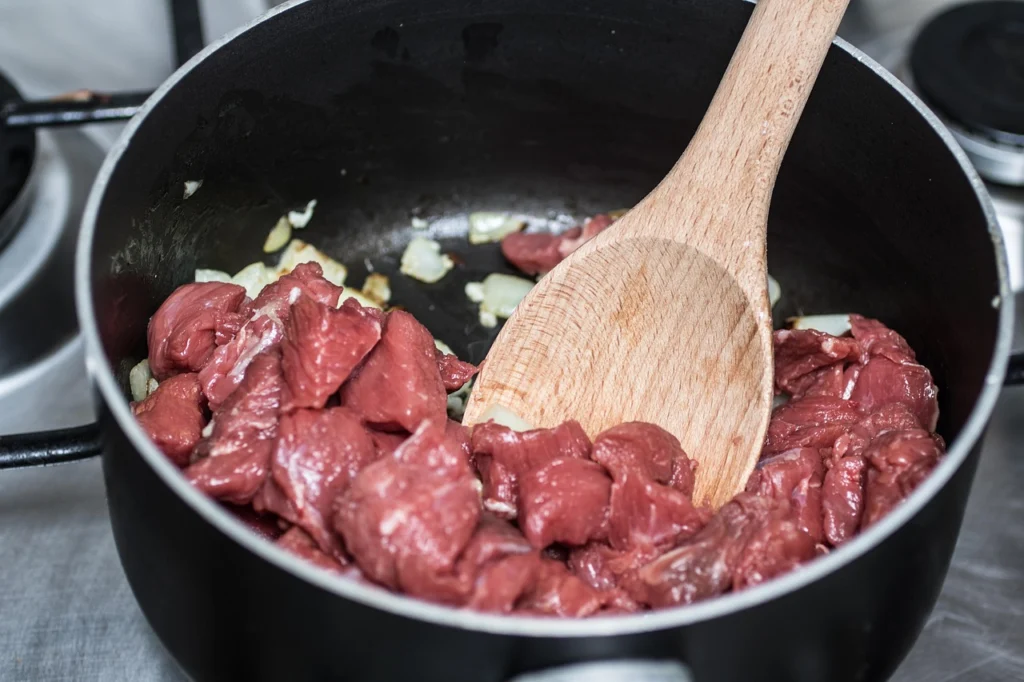
Browning beef for stew takes patience, high heat, and a dry surface. This guide walks through every step so your next pot of stew tastes deep, savory, and satisfying.