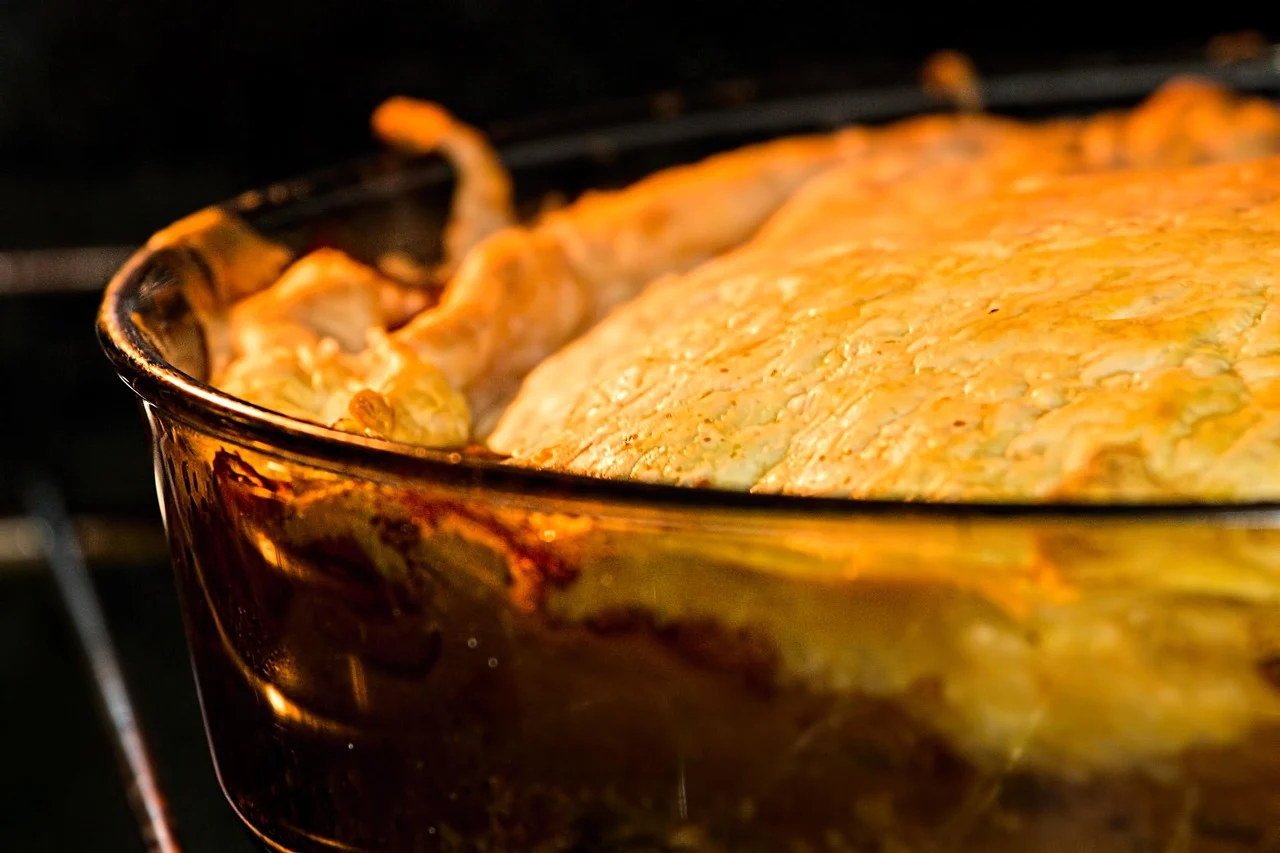
Short answer: A Dutch oven beef stew checklist for beginners means gathering the right pot, tools, and ingredients; cutting and browning beef in batches; building flavor with aromatics and liquid; simmering low and slow; and knowing how to fix common mistakes like tough meat, bland broth, or thin gravy.
Key takeaways
- Use a 5-7 quart enameled or seasoned Dutch oven.
- Chuck roast is the most forgiving cut for stew.
- Brown beef in batches to build deep flavor.
- Simmer gently, not boil, for tender meat.
- Taste and adjust seasoning before serving.
- Fix thin stew with a flour or cornstarch slurry.
What you will find here
- What Is the Essential Dutch Oven Beef Stew Checklist for Beginners?
- How to Choose the Right Dutch Oven and Tools
- Which Cut of Beef Is Best for Stew?
- How to Brown Beef for Stew Without Overcrowding
- Step-by-Step Dutch Oven Beef Stew for Beginners
- Common Beginner Mistakes and How to Fix Them
- How Long Should You Simmer Beef Stew in a Dutch Oven?
- How to Know When the Stew Is Done
A Dutch oven beef stew checklist keeps you from forgetting something important on your first try. Start with the right pot and ingredients, brown the beef properly, add liquid in stages, and give it enough time to turn tender. I’ll walk you through each step so you can cook with confidence instead of guesswork.
What Is the Essential Dutch Oven Beef Stew Checklist for Beginners?
The essential Dutch oven beef stew checklist for beginners includes five parts: the right pot, the right cut of beef, proper browning, patient simmering, and a final seasoning and thickening check. You can make a fine stew with basic tools and no fancy techniques. The real difference comes from following each step in order and not rushing the simmer.
Here is a printable-style list to keep beside the stove:
- Dutch oven — 5 to 7 quarts, heavy bottom, tight-fitting lid
- Beef — 2 to 3 pounds of chuck roast, cut into 1½-inch cubes
- Vegetables — onion, carrots, celery, garlic, potatoes
- Liquid — beef broth, a splash of red wine or beer, tomato paste
- Seasonings — salt, black pepper, bay leaves, thyme
- Thickener — all-purpose flour or cornstarch
How to Choose the Right Dutch Oven and Tools
You do not need a specific brand or an expensive pot. A 5-quart or 6-quart Dutch oven works for most family-sized beef stew recipes. A 7-quart gives more room if you like leftovers. The pot should have a heavy bottom so heat spreads evenly and the stew does not scorch during a long simmer.
Enameled cast iron is easy to clean and does not react with acidic ingredients like wine or tomatoes. A seasoned cast iron pot works too, but avoid leaving tomato-heavy stew in it for hours after cooking. Look for a tight-fitting lid. A loose lid lets steam escape, which means your liquid evaporates faster than you expect.
Helpful Tools for a Beginner
- Sharp chef’s knife for cutting beef and vegetables
- Cutting board with a groove to catch juices
- Tongs for turning beef while browning
- Wooden spoon or spatula for scraping fond
- Ladle for serving
- Measuring spoons and cups
- Instant-read thermometer to check meat tenderness, optional but helpful
You likely already own almost everything on this list. No slow cooker needed. A Dutch oven works on the stovetop and can go into the oven, which gives you two ways to finish the stew.
Which Cut of Beef Is Best for Stew?
Chuck roast is the best cut for beef stew. It has enough fat and connective tissue to become tender and juicy after a long, slow simmer. Round roast is leaner and can turn out dry or tough if cooked too long. For a more detailed comparison, see our guide on Chuck Roast vs Round Roast: Best Cut for Beef Stew.
Look for chuck roast labeled “chuck shoulder” or “chuck pot roast”. Cut it into uniform 1½-inch cubes. Uniform size means all pieces finish cooking at the same time. If some pieces are twice as big as others, the small ones will shred while the big ones stay chewy.
What About Pre-Cut “Stew Meat”?
Pre-cut packages labeled “stew meat” can contain trimmings from different muscles, which means some pieces stay tough while others fall apart. Buying a whole chuck roast and cutting it yourself gives you more control. It also costs less per pound in most stores.
How to Brown Beef for Stew Without Overcrowding
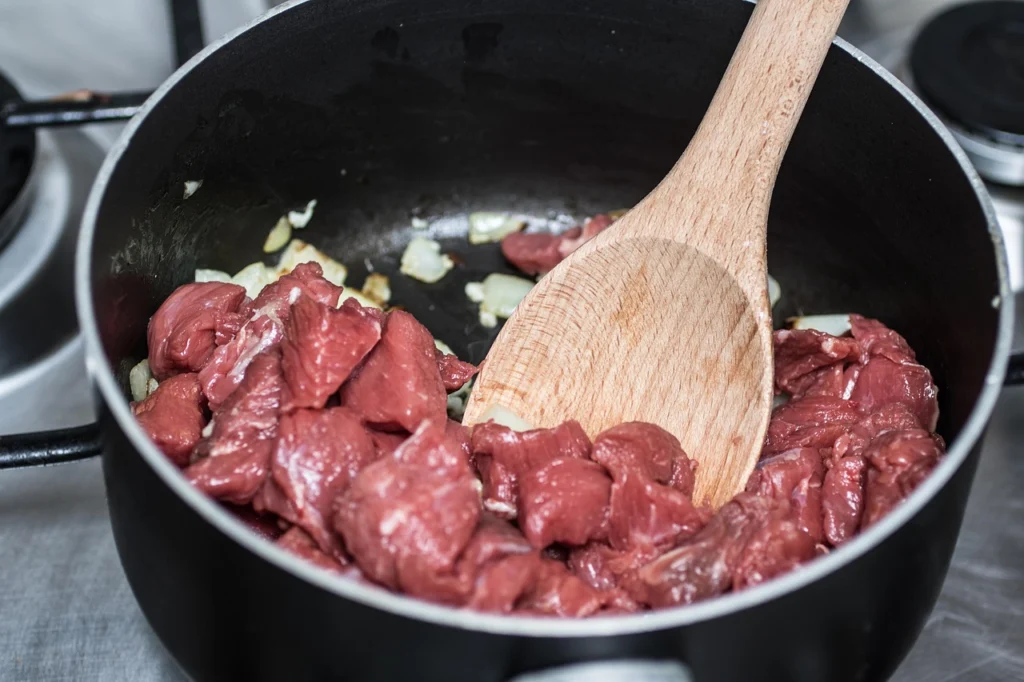
Browning is the most important flavor step on this checklist. Pat the beef cubes dry with paper towels. Wet meat steams instead of browning. Heat a little oil in the Dutch oven over medium-high heat until it shimmers. Add beef in a single layer with space between pieces. If the pot is crowded, the temperature drops and the meat turns gray.
Work in batches. Each batch should take about 3 to 4 minutes per side to develop a deep brown crust. Do not move the cubes around too much. Let them sit until they release easily from the bottom. Once all the beef is browned, set it aside on a plate. You will see a dark, sticky layer on the bottom of the pot. That is fond, and it is pure flavor. We cover the process in depth in our article How to Brown Beef for Stew So Every Bite Tastes Rich.
Some beginners skip browning to save time. You can still make stew, but the flavor will be noticeably flatter. Browning creates savory, caramelized notes that you cannot get from simmering alone. Ten extra minutes here makes a big difference.
Step-by-Step Dutch Oven Beef Stew for Beginners
Here is a straightforward order of operations. Follow this sequence and you will end up with a stew you are proud of.
- Brown the beef in batches. Set browned meat aside.
- Cook aromatics. Add chopped onion, carrot, and celery to the same pot. Cook until the onion softens and releases moisture, about 5 minutes. That moisture helps lift the fond.
- Add tomato paste and garlic. Stir for 1 minute to cook off the raw flavor.
- Deglaze. Pour in a splash of red wine, beer, or beef broth. Scrape the bottom of the pot with a wooden spoon until the fond dissolves.
- Return the beef. Add the browned beef and any juices that collected on the plate.
- Add liquid. Pour in beef broth until the meat is just barely covered. Add bay leaves and thyme.
- Simmer. Bring to a gentle simmer, then reduce heat to low. Cover with the lid slightly ajar.
- Cook low and slow. Simmer on the stovetop for 2 to 2½ hours, or transfer to a 300°F oven for the same time. Stir every 30 to 45 minutes.
- Add potatoes and remaining carrots. About 45 minutes before the stew is done, add cubed potatoes and any carrots you want to keep some texture in.
- Check tenderness. The beef should pull apart without much resistance. If it is still chewy, simmer another 30 minutes.
- Season and thicken. Taste. Add salt and pepper as needed. If the liquid looks thin, whisk a tablespoon of flour or cornstarch with cold water and stir it in. Simmer 5 more minutes.
Common Beginner Mistakes and How to Fix Them
Even with a checklist, things can go wrong. Here is what usually happens and how to handle it.
| Problem | Why It Happened | How to Fix It |
|---|---|---|
| Beef is tough and chewy | Not cooked long enough, or temperature too high | Simmer gently for another 30-60 minutes; do not boil |
| Stew is bland | Under-seasoned or no browning | Add salt gradually; stir in a little soy sauce, Worcestershire, or tomato paste |
| Liquid is thin and watery | Too much liquid or no thickener | Simmer uncovered to reduce, or add a flour or cornstarch slurry |
| Vegetables are mushy | Added too early | Add root vegetables in the last 45 minutes of cooking next time |
| Burnt bits on pot bottom | Heat too high during browning or simmering | Scrape carefully; if burned black, remove meat and vegetables, strain liquid, and wipe pot before returning |
For bland stew specifically, do not just dump in more salt. Acidity and umami often do more. A teaspoon of red wine vinegar or a small spoon of tomato paste brightens the flavor. A splash of soy sauce or Worcestershire adds depth without tasting like either ingredient. We have a whole guide on rescue tactics at How to Fix Bland Beef Stew: Easy Flavor-Boosting Tricks.
How Long Should You Simmer Beef Stew in a Dutch Oven?
Plan for 2 to 2½ hours on a low stovetop simmer or in a 300°F oven. The beef should be fork-tender but not falling apart into shreds. Some cuts, especially older or tougher chuck, may need 3 hours. The exact time depends on the size of your beef cubes and how low your burner goes.
Low and slow is the rule. A rapid boil makes the meat fibers seize and turn dry, even in a wet stew. You want just a few lazy bubbles breaking the surface. If your stove’s lowest setting still looks like a rolling boil, slide the pot off-center on the burner or use the oven method. The oven gives more even, gentle heat and requires less stirring.
Stovetop vs. Oven: Which Is Better for Beginners?
Both work. The stovetop makes it easy to check and stir, but you need a burner that can hold a true low simmer. The oven takes care of the temperature for you and heats the pot from all sides. For a first attempt, I usually suggest the stovetop because you can watch the stew and learn what a gentle simmer looks like. Set a timer for every 30 minutes and give it a stir.
How to Know When the Stew Is Done
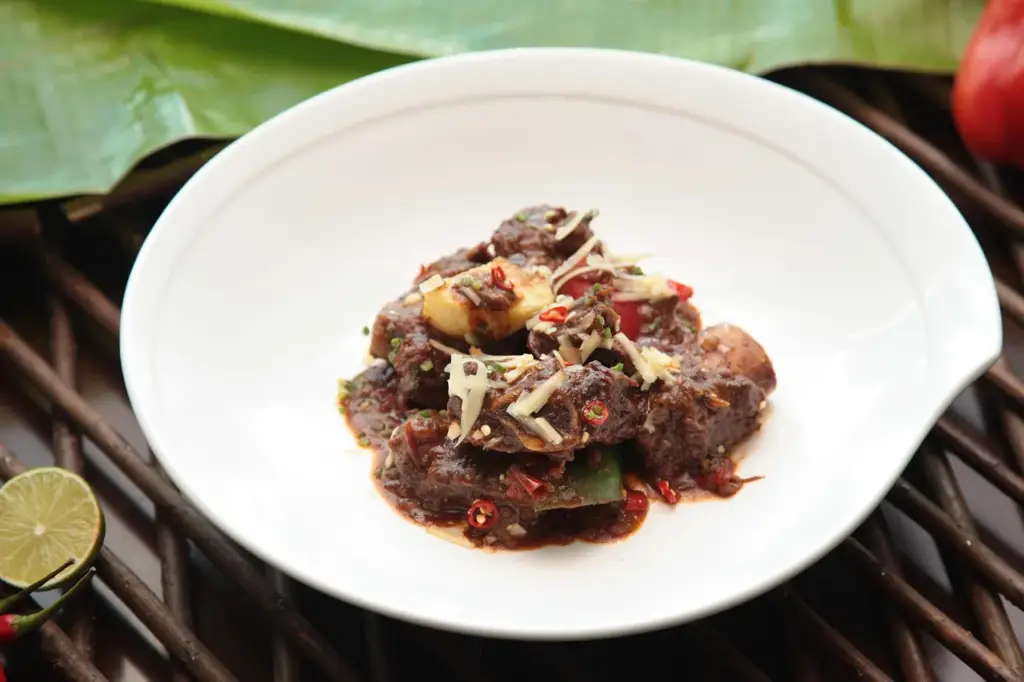
You have three signs to check. First, the beef should give almost no resistance when pierced with a fork. Second, the liquid should coat the back of a spoon and leave a clear trail when you run a finger through it. Third, the vegetables should be tender but still hold their shape. Potatoes should break apart with a spoon but not dissolve.
Taste last. After 2 hours of simmering, the flavors have concentrated and the salt level may have changed. Add salt in small pinches, stir, and taste again. If the stew tastes flat, add a splash of acid. If it tastes thin and watery, simmer uncovered for 10 to 15 minutes or use a thickener. Then let the stew rest off the heat for 10 minutes before serving. That short rest lets the flavors settle and the liquid thicken slightly.
If you want to explore another slow-cooked favorite after you master this one, our Slow Cooker Lamb Stew for Beginners guide uses the same low-and-slow principles with a different protein.
Frequently asked questions
What is the best size Dutch oven for beef stew?
A 5 to 7 quart Dutch oven works for most beef stew recipes. A 5 or 6 quart pot feeds four to six people comfortably. A 7 quart gives extra room for big batches and leftovers. The pot should be heavy-bottomed with a tight-fitting lid.
Can I make beef stew in a Dutch oven on the stovetop only?
Yes. Brown the beef and aromatics over medium-high heat, add liquid, then reduce to a gentle simmer and cover. Keep the heat low enough that only small bubbles break the surface. Stir every 30 minutes and cook for 2 to 2½ hours.
Why is my beef stew meat tough even after 2 hours?
Tough meat usually means the stew cooked at too high a temperature or not long enough. A rolling boil can make beef fibers seize. Reduce to a low simmer and cook another 30 to 60 minutes. The beef is done when a fork slides in with little resistance.
Should I add potatoes at the beginning or end of beef stew?
Add potatoes in the last 45 minutes of cooking. If they go in at the start, they break apart and become mushy by the time the beef is tender. Carrots can be added earlier if you want them soft, or later for more texture.
How do I thicken beef stew without making flour lumps?
Mix 1 tablespoon of all-purpose flour or cornstarch with 2 tablespoons of cold water until smooth. Whisk this slurry into the simmering stew and cook for 5 minutes. The liquid will thicken without lumps. Avoid adding dry flour directly to hot stew.
Can I use red wine in beef stew if I am a beginner?
Yes. A dry red wine like Cabernet Sauvignon or Merlot adds depth. Use about half a cup to deglaze the pot after browning, then let it reduce for a minute before adding broth. You can skip the wine and use extra beef broth instead.
What is the most common mistake beginners make with beef stew?
Skipping or rushing the browning step is the most common mistake. Browning the beef in small batches creates a deep, savory crust and leaves flavorful fond in the pot. Overcrowding the pot steams the meat instead, which leads to a flatter-tasting stew.