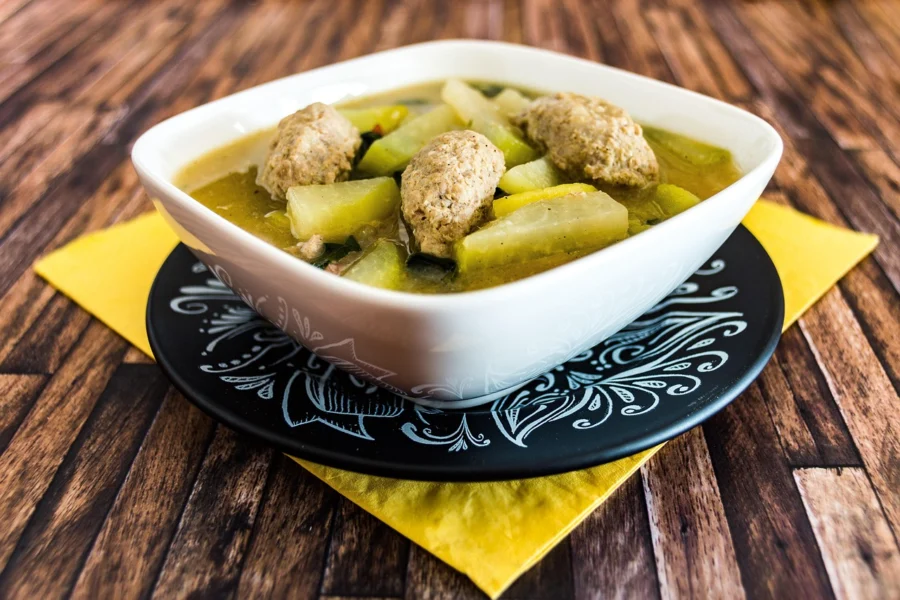
Short answer: Lamb stew offers a rich, slightly sweet, earthy flavor with tender meat that stays moist, while beef stew delivers a deep, familiar beefy taste with a firmer, more fibrous texture. Lamb generally cooks faster and benefits from bold seasonings; beef needs longer, slower cooking for tenderness.
Key takeaways
- Lamb has a sweeter, gamier flavor; beef tastes deeper and more neutral.
- Lamb stews cook quicker; beef stews need low and slow heat.
- Use lamb shoulder or leg; use beef chuck or shank.
- Lamb pairs with rosemary, garlic, and red wine; beef with thyme and root vegetables.
- Both stews are one-pot meals that reheat beautifully.
What you will find here
- What Does Lamb Stew Taste Like Compared to Beef Stew?
- Texture Differences: Tender Lamb vs Hearty Beef
- Best Cuts for Lamb Stew and Beef Stew
- How Long Does Each Stew Take to Cook?
- Seasoning and Aromatics: What Works for Each
- Which Stew Is Better for You?
- Common Mistakes When Making Lamb or Beef Stew
- Can You Substitute Lamb for Beef in a Stew Recipe?
If you’re staring at lamb and beef at the butcher counter, wondering which one belongs in your Dutch oven, you’re not alone. Lamb stew and beef stew are both slow-cooked classics, but they behave very differently in the pot. One is richly aromatic and cooks to a spoon-tender finish faster. The other needs patience but rewards you with a deep, familiar savoriness that anchors a winter meal.
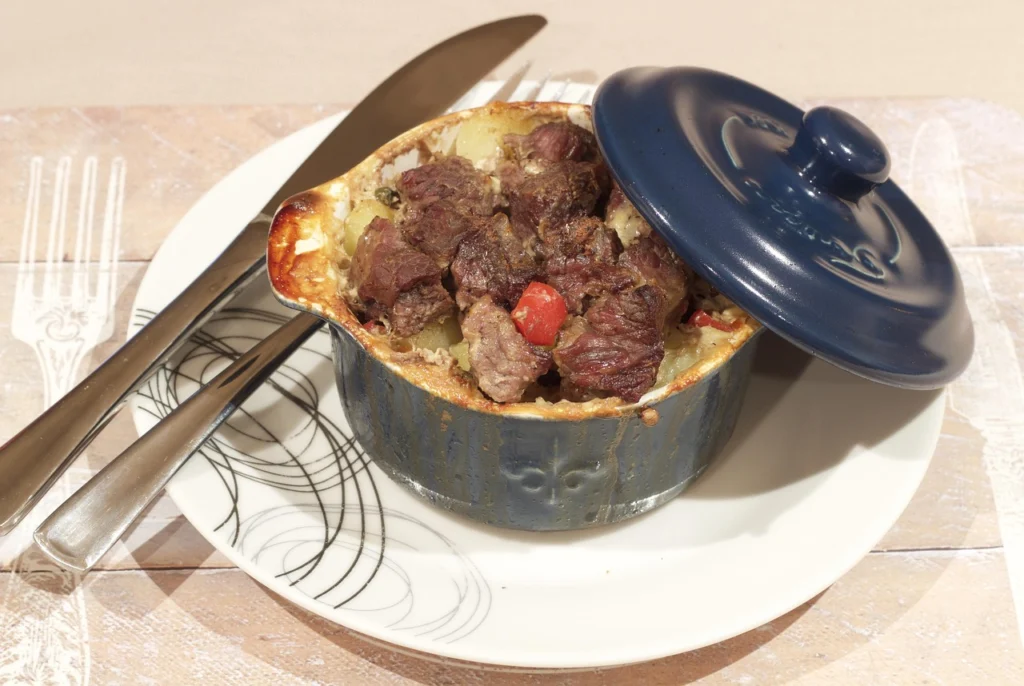
What Does Lamb Stew Taste Like Compared to Beef Stew?
Lamb has a naturally sweet, almost grassy flavor with an earthy undertone. It carries more fat than beef, and that fat renders into the stew, giving the broth a silky quality. If you’ve only had lamb chops, lamb stew is milder and less assertive because the long cooking time softens the gaminess. The meat picks up whatever herbs and spices you add—rosemary, garlic, cumin, and red wine are classic partners.
Beef stew, on the other hand, tastes deeply savory and meaty. It’s the flavor most people grew up with, so it feels familiar and comforting. The broth is hearty and brown, often built with tomato paste, onions, and a good stock. Beef doesn’t have the natural sweetness of lamb, so you rely more on vegetables and seasonings for complexity.
Texture Differences: Tender Lamb vs Hearty Beef
Lamb breaks down easily when braised. Because the meat has fine grain and a good amount of intramuscular fat, it becomes soft and nearly shreddable after 90 minutes to two hours. Each bite gives way with little resistance. That tenderness makes lamb stew feel luxurious, even when you use an inexpensive shoulder cut.
Beef is built from larger muscle fibers and tougher connective tissue. It needs a long, slow simmer to convert collagen into gelatin. The result is not shreddable but sliceable and satisfying—tender yet with a bit of chew. A well-made beef stew has a stick-to-your-ribs quality that lamb doesn’t quite match. For even more guidance on getting lamb right, see our Slow Cooker Lamb Stew for Beginners.
Best Cuts for Lamb Stew and Beef Stew
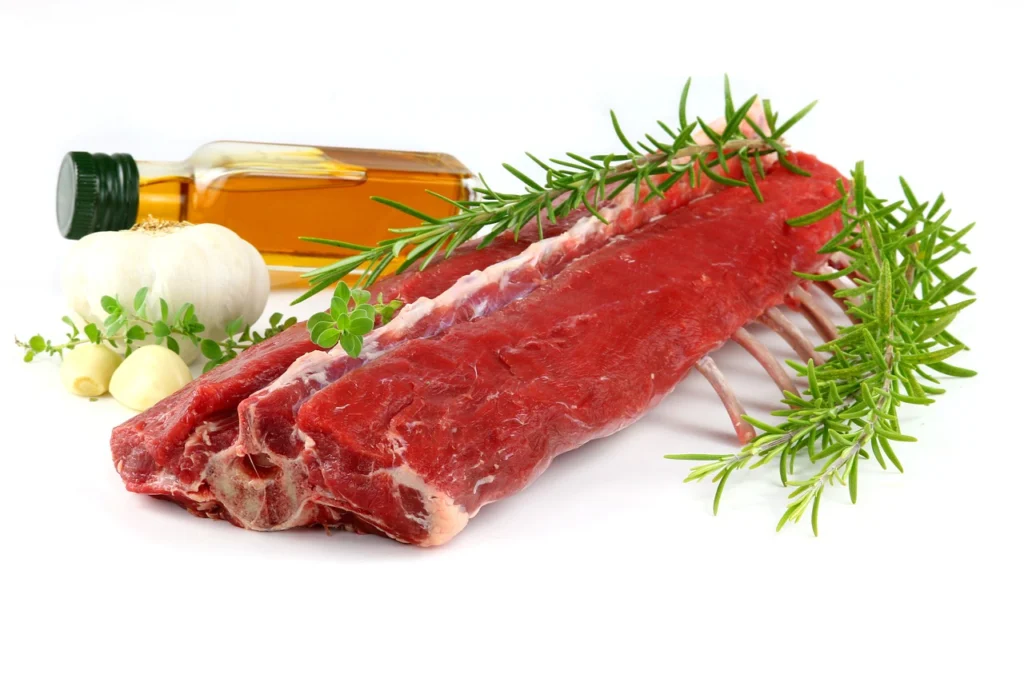
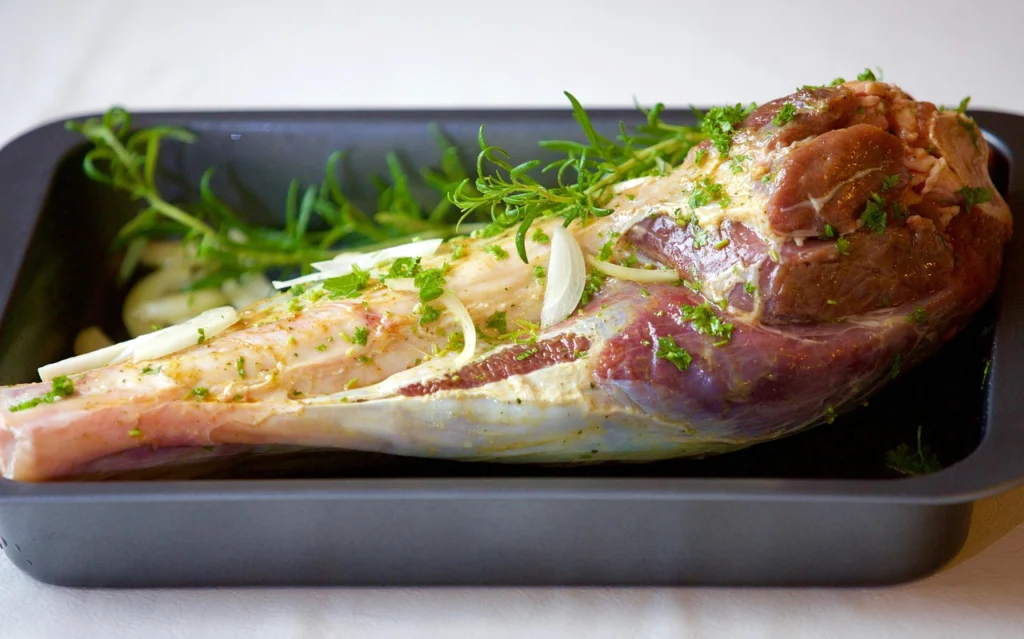
For lamb, choose shoulder or leg. Shoulder has more marbling and withstands long braising without drying out. Leg is a bit leaner but still stews well if cut into large chunks and cooked gently. Avoid lamb shank for a standard stew; it’s better as a whole braised piece.
For beef, chuck is the gold standard. It comes from the shoulder and has the right balance of meat, fat, and connective tissue. Brisket and round also work, but round can turn dry. Stay away from tenderloin or sirloin in stew—they’ll turn tough and stringy with long cooking.
| Cut | Best for | Cooking Time | Texture Result |
|---|---|---|---|
| Lamb shoulder | Lamb stew | 1.5–2 hours | Very tender, slightly fatty |
| Lamb leg | Lamb stew | 1.5–2 hours | Firm but tender |
| Beef chuck | Beef stew | 2.5–3 hours | Rich, gelatinous, tender |
| Beef brisket | Beef stew | 3–4 hours | Slicing tender, intense flavor |
How Long Does Each Stew Take to Cook?
Lamb stew is a weeknight friend when you have a couple of hours. Simmer lamb shoulder gently for about 1.5 hours and the meat is fork-tender. In a pressure cooker, you can cut that to 35 minutes. In a slow cooker on low, plan for 6 hours; on high, 3 to 4.
Beef stew demands more time. On the stovetop, expect 2.5 to 3 hours at a bare simmer. In a slow cooker, 8 hours on low or 5 to 6 on high. The extra time is non-negotiable if you want that melt-in-your-mouth texture.
- Brown the meat in batches until deeply colored.
- Sauté onions, garlic, and tomato paste.
- Add liquid (stock, wine, or water) and herbs.
- Simmer gently—do not boil—until meat is tender.
- Add root vegetables in the last 45 minutes.
Seasoning and Aromatics: What Works for Each
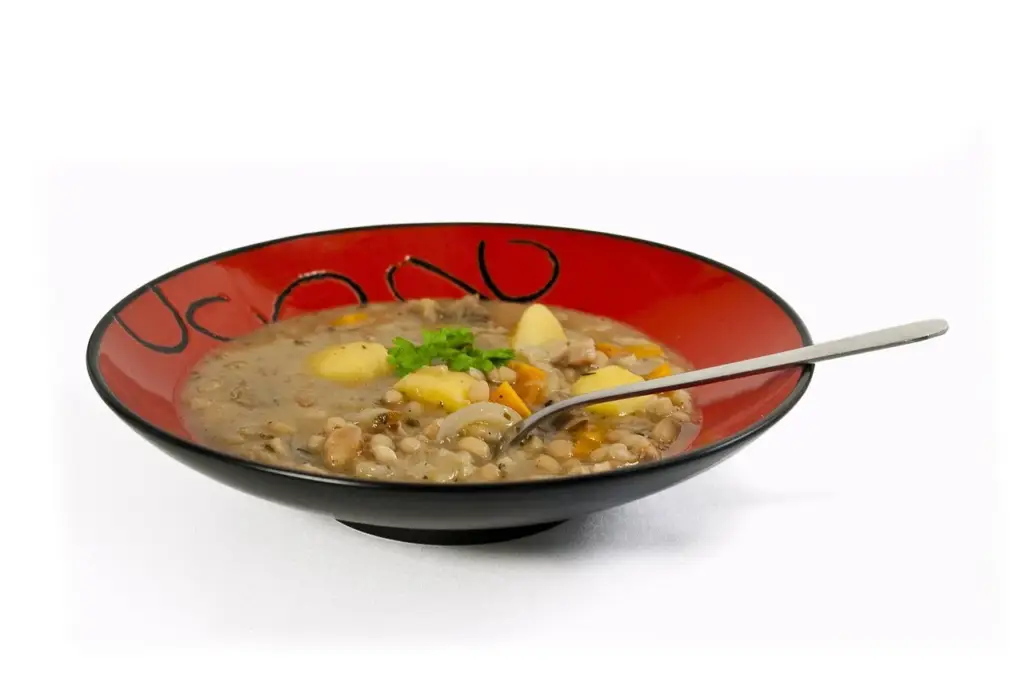
Lamb loves bold, herbal flavors. Rosemary, thyme, oregano, and bay leaves are natural fits. Garlic is non-negotiable. A splash of red wine brightens the richness, and a pinch of cinnamon or allspice adds warmth without turning it sweet. Avoid overpowering lamb with smoked paprika or too much cumin—you want its own flavor to shine.
Beef pairs well with earthy, slightly sweet aromatics. Onions, carrots, celery, and tomato paste form the backbone. Thyme, bay, and parsley are enough herbs. A bit of Worcestershire sauce or soy sauce deepens the umami. If you use red wine, pick a full-bodied one like Cabernet Sauvignon or Syrah.
Which Stew Is Better for You?
Both are nourishing, protein-rich meals. Lamb has slightly more fat per serving, which contributes to its richness. Beef, especially chuck, is also fatty but has a higher proportion of saturated fat. Neither is “unhealthy” when eaten in moderation, and both provide iron and B vitamins. If you’re watching calories, trim excess fat before browning and skim the stew’s surface during cooking.
Common Mistakes When Making Lamb or Beef Stew
The biggest mistake is boiling instead of simmering. High heat makes meat proteins seize and turn tough. Keep the liquid at a lazy bubble—one or two blips per second. Another error is adding vegetables too early. Carrots and potatoes cook much faster than the meat, so they turn to mush. Add them in the last 30 to 45 minutes.
Skipping the browning step is a missed opportunity. That brown crust on the meat isn’t just for looks—it creates a deep, savory base for the whole stew. Don’t crowd the pan; brown in batches so the meat sears instead of steaming. For lamb, go a little darker for extra flavor.
Can You Substitute Lamb for Beef in a Stew Recipe?
Yes, but make adjustments. Lamb cooks faster, so reduce the cooking time by about a third. Also, lamb’s flavor is stronger, so you may want to reduce the amount of rosemary or thyme if the original beef recipe is heavily herbed. Keep the liquid ratio the same; lamb releases more fat, so skim before serving.
Going the other way—beef instead of lamb—usually works without changes other than a longer simmer. Beef won’t pick up the same aromatic sweetness, so add a little extra garlic or a splash of red wine to compensate.
At the end of the day, both stews earn their place on the table. Try lamb when you want something a little more aromatic and quicker to cook. Turn to beef when you have time and crave that classic, deep, slow-simmered comfort.
Frequently asked questions
Is lamb stew healthier than beef stew?
Both are nutritious and high in protein and iron. Lamb tends to have slightly more fat and calories per serving, but the difference is modest. Trimming visible fat before cooking and skimming the stew makes either option leaner.
Which stew has a stronger flavor?
Lamb has a stronger, more distinctive flavor that is often described as earthy and slightly sweet. Beef stew tastes deeply meaty and savory but is less assertive. Most people find lamb more aromatic and beef more familiar.
Can I use lamb leg instead of lamb shoulder in stew?
Yes, lamb leg works well in stew. It is a bit leaner than shoulder, so cut it into larger chunks and avoid overcooking. Cook gently for about 1.5 hours and check for tenderness with a fork.
Do lamb and beef stew need different cooking liquids?
Not fundamentally. Both benefit from a mix of stock and water, with optional red wine. Lamb pairs especially well with red wine and a little tomato. Beef stew often uses beef stock, tomato paste, and sometimes a splash of Worcestershire sauce.
Can I cook lamb stew for as long as beef stew?
No. Lamb stew is usually done in 1.5 to 2 hours. If you cook it for 3 or 4 hours, the lamb will become overly soft and shred apart. Beef stew needs 2.5 to 3 hours or more to become tender.
What is the best vegetable mix for lamb stew vs beef stew?
Both stews work well with root vegetables like carrots, potatoes, and parsnips. For lamb, add a little more garlic and maybe green beans. For beef, mushrooms and pearl onions are classic additions. Add vegetables in the final 30 to 45 minutes so they don’t overcook.
Do lamb and beef stew freeze well?
Yes, both freeze well for up to 3 months. Let the stew cool completely, then store in airtight containers with some liquid covering the meat. Potatoes can become grainy after freezing, so if you plan to freeze, add potatoes when reheating instead.