Short answer: You can thicken beef stew without flour by using a cornstarch or arrowroot slurry, mashing some of the cooked vegetables, stirring in a vegetable puree, reducing the liquid over high heat, or adding a handful of quick-cooking oats. Each method adds body without changing the flavor much.
Key takeaways
- Cornstarch slurry creates a glossy, clear finish; use 1 tablespoon cornstarch per cup of liquid.
- Arrowroot works just like cornstarch but stays clear when frozen and reheated.
- Mashing cooked potatoes, carrots, or parsnips adds natural thickness and flavor.
- Reducing the stew uncovered for 10–15 minutes concentrates flavor and thickens without any starch.
- Quick oats or blended white beans can add body when you need a pantry fix.
What you will find here
- Why Thicken Beef Stew Without Flour?
- 1. Cornstarch Slurry: The Fastest Fix
- 2. Arrowroot Powder: Clear and Freezer-Friendly
- 3. Mash the Cooked Vegetables
- 4. Reduce the Liquid
- 5. Quick Oats or Pureed Beans
- Comparison of Flour-Free Thickeners
- Common Mistakes to Avoid
- When to Thicken Beef Stew
- Final Adjustments for Flavor and Body
If your beef stew looks more like soup, you don’t need to reach for flour. A handful of pantry staples and simple techniques can give you a rich, velvety stew without a single scoop of all-purpose flour. Whether you’re avoiding gluten or just ran out, these methods work with any beef stew recipe.

Why Thicken Beef Stew Without Flour?
Flour is the classic thickener, but it has downsides. It can leave a raw, pasty taste if not cooked long enough. It also makes the stew cloudy and changes the flavor slightly. If you want a clearer, brighter broth or a gluten-free meal, skipping flour is the way to go.
Many flour-free thickeners are also more forgiving. You don’t have to worry about lumps forming in the pot, and you can adjust the thickness at the end of cooking instead of committing early. That means less stress when dinner time gets busy.
1. Cornstarch Slurry: The Fastest Fix
Cornstarch is the most common flour alternative for stew. It creates a glossy, translucent sauce that clings to meat and vegetables beautifully. To use it, mix equal parts cornstarch and cold water in a small bowl until smooth. This is your slurry.
Add the slurry to the simmering stew a little at a time, stirring constantly. Let it cook for about a minute after each addition to see how much it thickens. A good starting point is 1 tablespoon cornstarch mixed with 1 tablespoon cold water for every cup of liquid in the pot.
One caveat: cornstarch can break down if you boil the stew hard for a long time after adding it. Keep the heat at a gentle simmer once the slurry goes in.
Step-by-Step Cornstarch Slurry
- Measure 1 tablespoon cornstarch per cup of stew liquid.
- Whisk the cornstarch with an equal amount of cold water in a small bowl until no lumps remain.
- Bring the stew to a low simmer over medium heat.
- Slowly pour in half the slurry while stirring the stew.
- Wait 1 minute. If it’s still too thin, add the rest of the slurry in small increments.
- Simmer gently for 2–3 minutes to cook out any starchy taste.
2. Arrowroot Powder: Clear and Freezer-Friendly
Arrowroot powder works almost identically to cornstarch, but it has two advantages. It creates an even clearer sauce, and it doesn’t turn spongy when frozen and reheated. That makes it ideal if you plan to freeze leftover stew.
Use arrowroot the same way as cornstarch: make a slurry with cold water and stir it into a simmering stew. Arrowroot thickens at a lower temperature, so add it right at the end and avoid boiling. It also thickens faster, so add it in small amounts and wait a minute between additions.
Arrowroot can be more expensive than cornstarch, but a little goes a long way. If you cook gluten-free regularly, it’s worth keeping in the pantry.
3. Mash the Cooked Vegetables
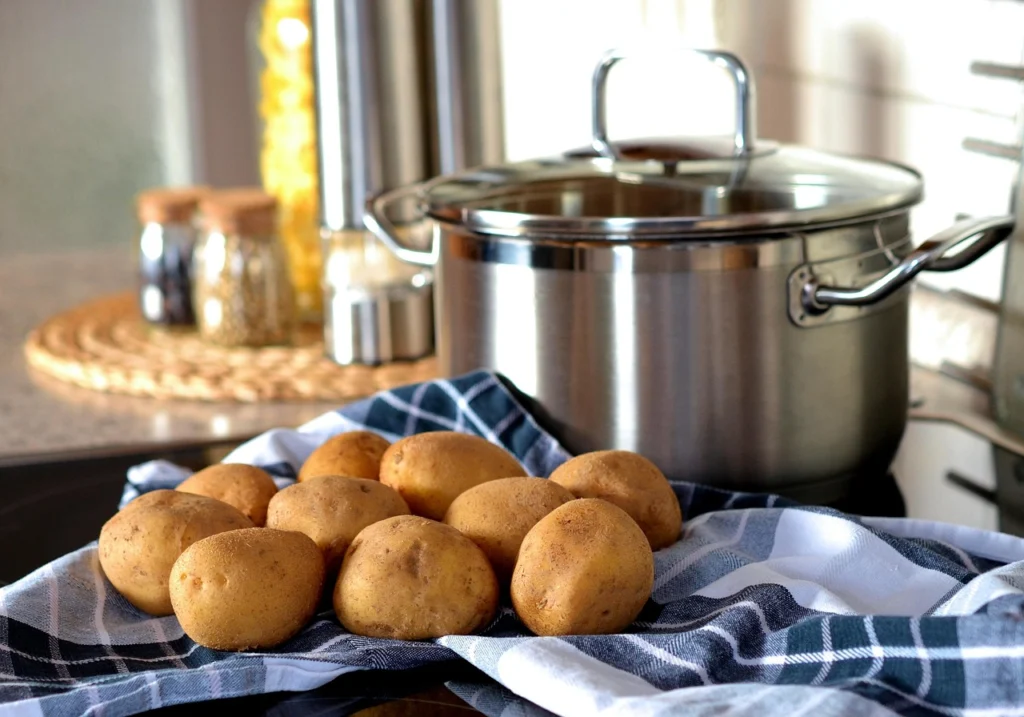
Your stew already contains natural thickeners: potatoes, carrots, parsnips, and turnips. When these vegetables cook, they release starch and soft flesh that can transform a thin broth into a hearty gravy. All you have to do is mash some of them.
Use a potato masher or the back of a wooden spoon to crush a few chunks of cooked potato or carrot against the side of the pot. Stir the mashed bits back into the liquid. They will dissolve slightly and thicken the stew without changing the flavor.
This method works best for rustic stews where you don’t mind some texture. If you want a smoother result, remove a cup of cooked vegetables with some broth, blend them until smooth, and stir the puree back in.
4. Reduce the Liquid
The simplest flour-free thickener is time and heat. If you have a little patience, reducing the stew concentrates the flavors and evaporates excess water. The result is a thicker, richer stew without adding anything at all.
To reduce, remove the lid from your pot and turn the heat to medium-high. Let the stew bubble gently, not boil violently. Stir every few minutes to prevent sticking. In 10 to 15 minutes, you should see a noticeable change in consistency.
Keep in mind that reducing also intensifies salt and seasoning. Taste after reducing and adjust with a splash of broth or water if it becomes too strong.
5. Quick Oats or Pureed Beans
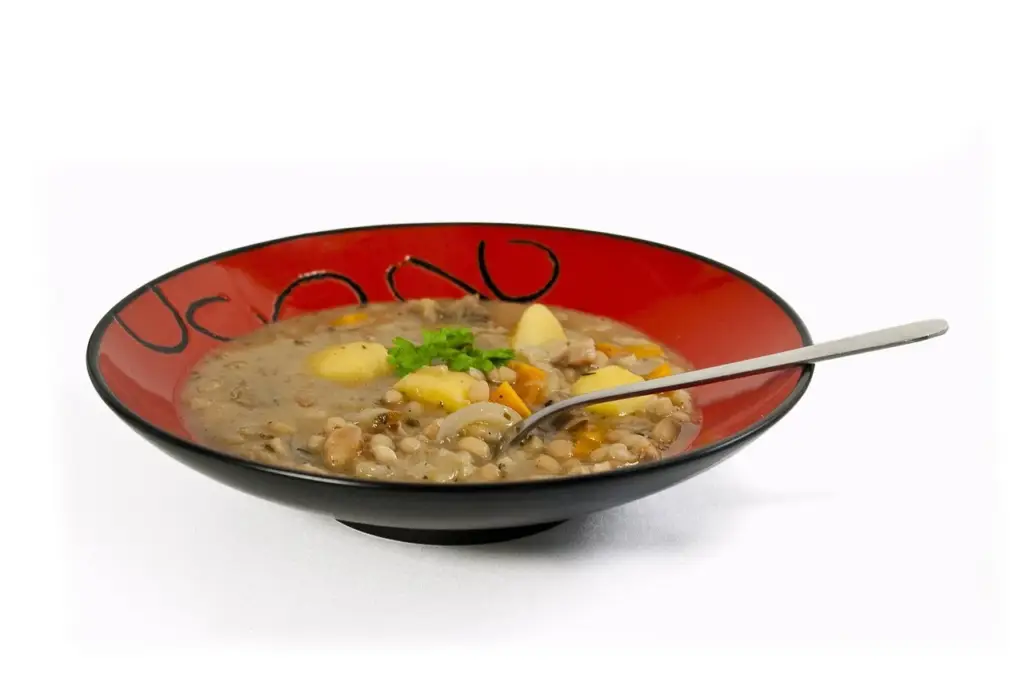
If you want a pantry-friendly thickener that adds body without altering flavor much, try quick oats or pureed white beans. Both absorb liquid and create a creamy texture.
For oats, stir in 1 to 2 tablespoons of quick-cooking oats during the last 10 minutes of cooking. They soften and thicken the stew as they absorb broth. Use plain oats, not flavored instant packets.
For beans, rinse and drain a can of white beans such as cannellini or navy beans. Puree them with a little stew liquid until smooth, then stir the mixture into the pot. The beans add protein and a silky thickness that works especially well in tomato-based beef stews.
Comparison of Flour-Free Thickeners
| Thickener | Flavor Effect | Texture | Best For |
|---|---|---|---|
| Cornstarch slurry | Neutral | Glossy, smooth | Last-minute thickening |
| Arrowroot slurry | Neutral | Very clear, smooth | Freezing and reheating |
| Mashed vegetables | Adds vegetable flavor | Rustic, slightly chunky | Hearty, home-style stews |
| Reducing liquid | Concentrates flavor | Rich, dense | When you have extra time |
| Quick oats | Slightly nutty | Creamy, soft | Emergency thickening |
| Pureed white beans | Mild, creamy | Velvety, smooth | Tomato-based or creamy stews |
Common Mistakes to Avoid
Adding starch directly to hot liquid is the biggest mistake. Cornstarch or arrowroot will clump instantly if you skip the cold water slurry. Always mix the powder with cold water first.
Another common error is boiling the stew after adding a starch. High heat can break down the thickening power and make the sauce thin again. Keep the heat at a gentle simmer.
Finally, don’t overdo it. It’s easy to add too much thickener and end up with a gluey texture. Start small, wait a minute, and add more only if needed. You can always thicken more, but you can’t easily un-thicken.
When to Thicken Beef Stew
The best time to thicken is near the end of cooking. That way, you can judge the final consistency after the meat and vegetables are tender. If you’re using a slow cooker, transfer some of the cooking liquid to a saucepan and make your slurry or reduction there, then stir it back in.
For a make-ahead stew, thicken it the day you plan to serve it. Reheating can change the consistency, and some thickeners hold up better than others. Arrowroot is the most stable through freezing and reheating.
If you’re just learning to cook stew, our slow cooker lamb stew guide for beginners covers the same principles with a gentler learning curve.
Final Adjustments for Flavor and Body
Once your stew is thick enough, taste it. A little splash of acid—like red wine vinegar or Worcestershire sauce—can brighten the flavors without thinning the stew. If you want more richness, stir in a small pat of butter at the end.
Remember that stew thickens as it cools. If it looks a little loose in the pot, it may be perfect in the bowl. Ladle a small amount onto a plate and let it sit for a minute to check the true consistency.
Frequently asked questions
Can I use cornstarch instead of flour to thicken beef stew?
Yes. Cornstarch works well as a flour substitute. Mix 1 tablespoon cornstarch with 1 tablespoon cold water for each cup of stew liquid. Stir into the simmering stew and cook for 1–2 minutes. It gives a glossy, clear finish.
How do I thicken beef stew without adding any starch?
Mash some of the cooked potatoes, carrots, or parsnips in the pot and stir them into the liquid. Alternatively, remove the lid and simmer the stew for 10–15 minutes to reduce and concentrate the liquid.
Is arrowroot better than cornstarch for thickening stew?
Arrowroot and cornstarch work similarly, but arrowroot stays clear when frozen and reheated. It thickens at a lower temperature, so add it at the end and avoid boiling. Both are good flour-free options.
Will mashed potatoes thicken beef stew?
Yes. Mashing a few cooked potato chunks releases starch and soft flesh that thickens the broth. You can also blend a cup of cooked potatoes with some stew liquid and stir the puree back in for a smoother texture.
How much cornstarch do I need to thicken a pot of beef stew?
Start with 1 tablespoon cornstarch mixed with 1 tablespoon cold water for every cup of liquid in the stew. Add half, stir, wait a minute, and add more only if needed to avoid a gluey texture.
Can I thicken beef stew with oats?
Yes, quick-cooking oats work in a pinch. Stir 1–2 tablespoons into the stew during the last 10 minutes of cooking. They absorb liquid and soften, adding body with a mild, slightly nutty flavor.
Why did my stew become thin after I thickened it?
Boiling the stew after adding cornstarch or arrowroot can break down the starch and thin the sauce. Keep the stew at a gentle simmer after thickening. Also, some vegetables release water as they cook, so thicken near the end.