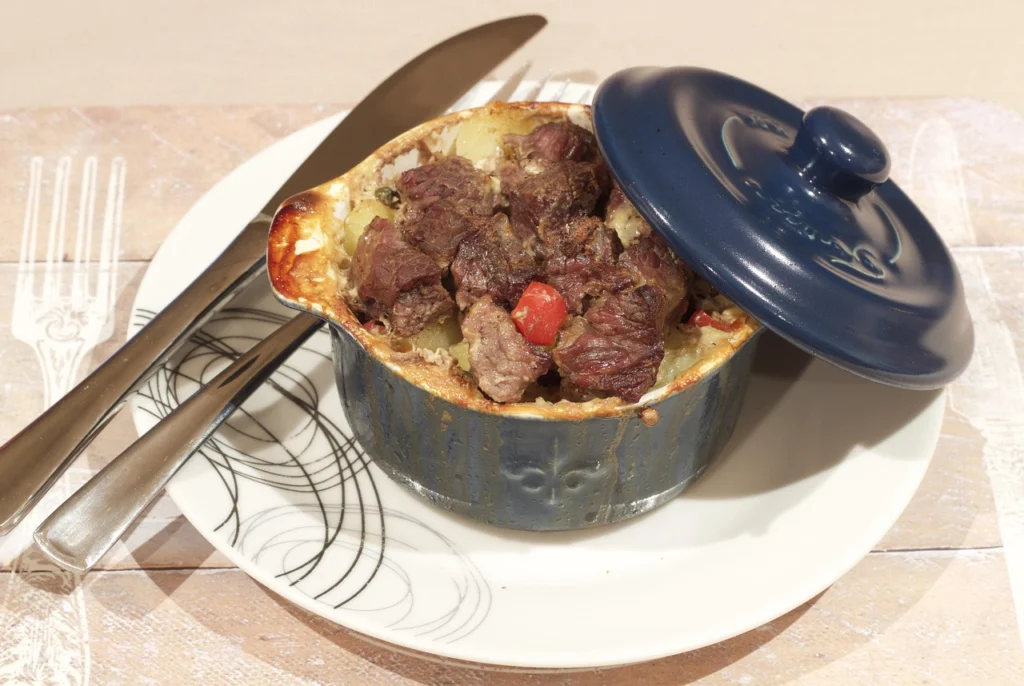
Short answer: Beef stew turns tough when the meat is cooked too quickly at too high a temperature, or when you use a lean cut that dries out. For tender stew, choose chuck or another well-marbled cut, brown it lightly, and simmer gently for 2 to 3 hours until the collagen melts.
Key takeaways
- Always use chuck, brisket, or round—never lean sirloin.
- Low and slow simmering breaks down tough connective tissue.
- Boiling makes meat fibers seize up; keep it at a gentle bubble.
- Brown the beef first for flavor, but don’t cook it through.
- Add vegetables late so they don’t overcook while meat tenderizes.
- Acids like wine or tomatoes can slow softening if added too early.
What you will find here
If your beef stew comes out chewy instead of meltingly tender, you’re probably making one of a handful of very common mistakes. The good news? Every one of them is fixable. Most tough stew problems trace back to the cut of beef you chose, the temperature you cooked at, or how long you let it simmer. Let’s walk through each one so you can fix it before your next pot.
Why Is My Beef Stew Tough? The 6 Most Common Reasons
Stew meat gets tough when you cook it too fast, too hot, or start with the wrong cut. Beef stew is all about low and slow cooking—that’s what breaks down the collagen in tough cuts and turns them into fork-tender bites. Boil your stew, cut the meat too small, or use a lean roast, and you’ll end up with dry, rubbery chunks. Here’s exactly what goes wrong.
1. You Used the Wrong Cut of Beef
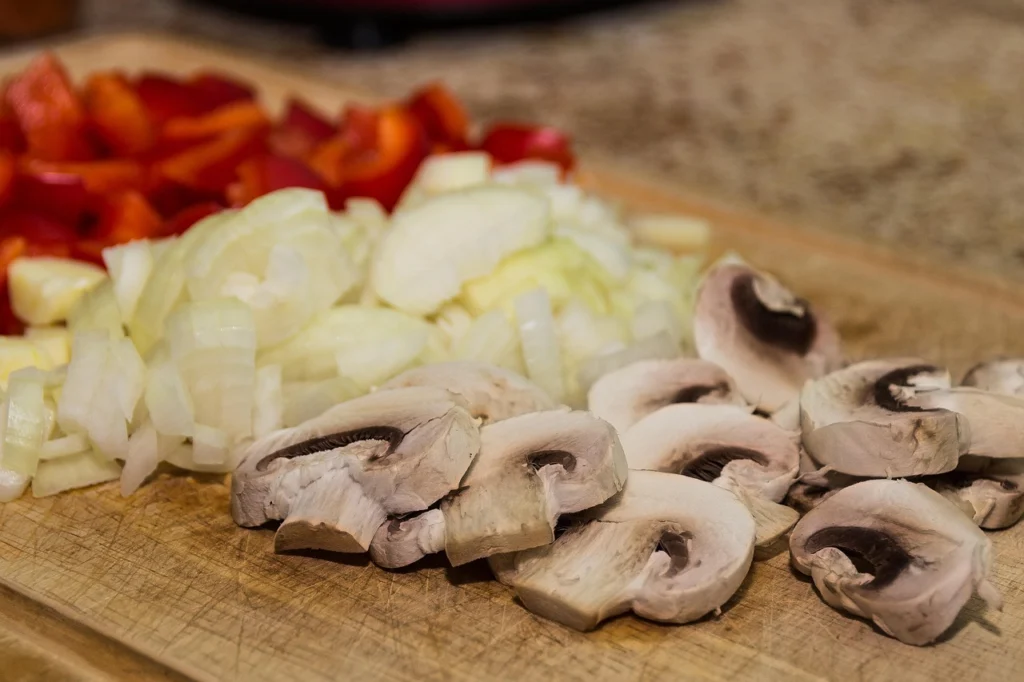
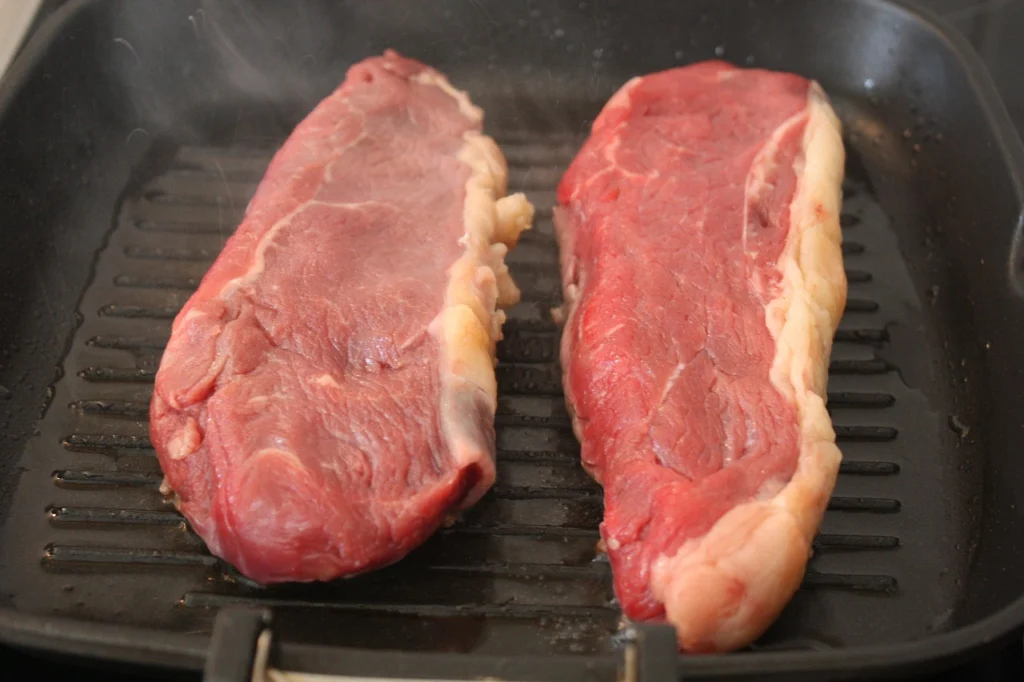
The single biggest reason beef stew is tough is starting with a lean, tender steak. Cuts like sirloin, tenderloin, or round steak are meant for quick cooking. Simmer them for two hours and they seize up, dry out, and turn to leather. For stew, you want cuts with lots of connective tissue and marbling. Chuck roast is the gold standard. Brisket, short ribs, and bottom round also work if you cook them long enough.
When you shop, look for “chuck” or “stew meat” that is clearly marbled with fat and has some sinew running through it. Pre-cut stew meat from the grocery store is often a mix of trim from different cuts, which can cook unevenly. If you can, buy a whole chuck roast and cut it into 1½-inch cubes yourself. You’ll get more consistent pieces and better flavor.
2. You Didn’t Brown the Meat Properly
Browning isn’t just about flavor—it also affects texture. When you brown beef cubes in a hot pan, you create a deep crust that helps the outside hold up during long simmering. It doesn’t make the meat tougher; it actually preserves the structure of the cube so it doesn’t shred or turn mushy. But browning also doesn’t cook the meat through, so don’t treat it as a cooking step.
Do it right: pat the beef dry, season with salt, and sear in batches over medium-high heat with a little oil. Don’t crowd the pan—if the cubes are too close together, they steam instead of sear, and you lose that crust. A good brown on two or three sides is enough. Then set the beef aside while you build the stew base, and add it back before the liquid goes in.
3. You Boiled the Stew Instead of Simmering
This is where a lot of home cooks go wrong. When you see big bubbles rolling, that’s a boil—and boiling is too hot for stew meat. At a hard boil, the muscle fibers contract violently and squeeze out moisture. The result is dry, stringy beef, even after hours of cooking.
What you want is a gentle simmer: small bubbles breaking the surface every second or two, not a rolling boil. Keep the pot at low heat, with the lid slightly ajar. In a Dutch oven on the stovetop, that usually means the lowest setting. In a slow cooker, low or “keep warm” after an initial high hour gives you the same result. If you see a hard boil, turn it down.
4. You Didn’t Cook It Long Enough
Chuck and similar cuts have a magic window: too short and they’re tough; long enough and they fall apart. That window is usually 2 to 3 hours of gentle simmering on the stovetop, or 6 to 8 hours on low in a slow cooker. If you cut the meat into larger chunks, it takes even longer. The collagen only fully melts into gelatin when the internal temperature of the meat stays between 180°F and 205°F for an extended period. That can’t happen in 45 minutes.
Many people give up too early, taste a cube at 90 minutes, and declare the stew a failure. Don’t. Keep simmering, and check again at the 2-hour mark. The meat should offer almost no resistance when you pierce it with a fork. If it still feels springy, give it another 20 minutes. See our guide on how long lamb stew takes in a slow cooker for timing parallels—the same principles apply to beef.
5. You Added Acidic Ingredients Too Early
Wine, tomatoes, vinegar, and even some stocks add brightness to beef stew, but they can also slow down the meat’s tenderizing process. Acid can firm up the proteins on the surface of the meat, making them less willing to break down. It’s not that you should avoid acid—you just need to add it at the right time.
Here’s the simple fix: brown the beef, soften your aromatics, and then add the beef broth or stock and let the stew simmer for at least an hour before adding wine or tomatoes. This gives the collagen a head start. Or you can deglaze with wine and then cook it down until the alcohol evaporates and the acid mellows before adding the stock. If you’re using tomato paste, fry it in the oil with the vegetables—that caramelizes the sugars and softens the acid.
6. You Cut the Meat Too Small
Small cubes cook faster, but they also dry out faster. For a long-simmered stew, bigger is better. Aim for 1½ to 2-inch cubes. That’s large enough to stay moist on the inside while the outside breaks down slowly. If you cut the beef into bite-sized pieces before cooking, they’ll end up tough and shrunken by the time the stew is done.
Cut against the grain, too. Look for the direction the muscle fibers run, and slice perpendicular to them. This shortens the fibers and makes each bite easier to chew, even if the meat isn’t perfectly tender.
How to Fix Tough Beef Stew That’s Already Cooked
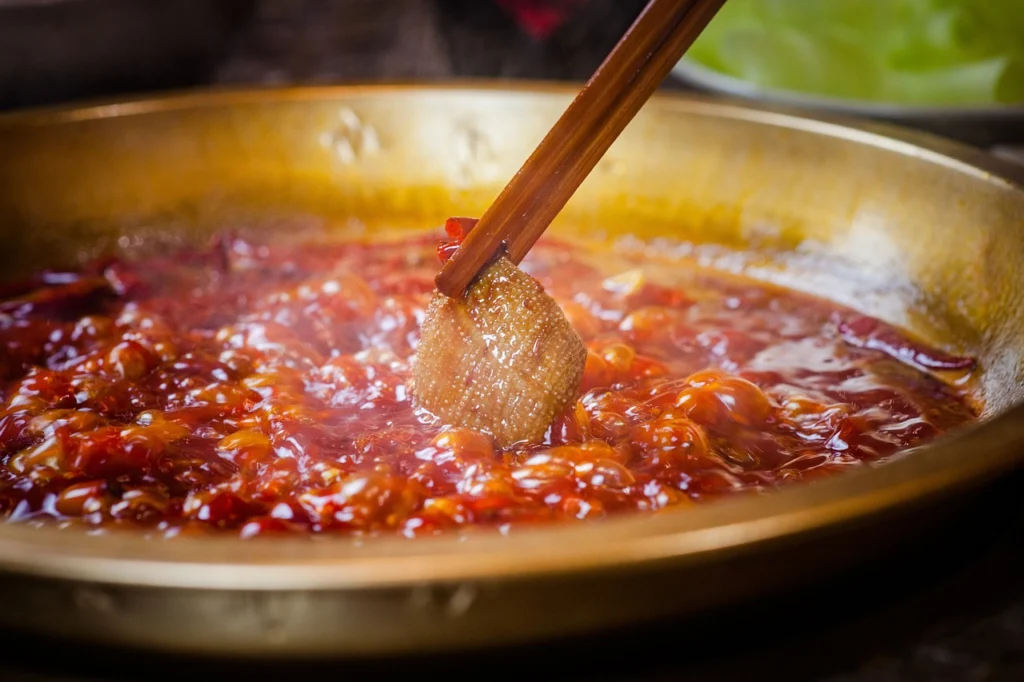
If your stew is already done and the beef is tough, you have two options. The easiest: keep cooking it. Return the pot to a gentle simmer, add a splash of broth or water if it’s dry, and let it go for another 30 to 60 minutes. Check the meat every 20 minutes. In many cases, tough beef just needs more time at a low temperature to let the collagen finish breaking down.
If the meat is dry and stringy because it boiled too hard, the texture won’t fully recover. But you can improve the overall stew by shredding the beef into smaller pieces—they’ll soak up the surrounding liquid and seem less tough. You can also puree some of the vegetables into the broth to create a richer sauce that coats the meat and masks dryness. Next time, follow the simmer rule.
Should You Add Baking Soda to Tenderize Stew Meat?
It’s a common hack: toss raw beef cubes with a little baking soda, let them sit for 15–20 minutes, then rinse and proceed. Baking soda raises the pH on the surface of the meat, which prevents the proteins from bonding too tightly when heated. It can help, especially with leaner cuts. But it’s not a substitute for using the right cut and cooking it low and slow. If you use baking soda, a ratio of about ¾ teaspoon per pound of beef is plenty. Any more and you’ll taste it.
The Best Way to Cook Beef Stew So It’s Always Tender
Get your process down and tough stew becomes a thing of the past. Here’s a reliable method that works in a Dutch oven or a slow cooker.
- Choose the right cut. Buy chuck roast, brisket, or short ribs. Cut it yourself into 1½–2-inch cubes.
- Brown in batches. Pat the meat dry, season with salt, and sear over medium-high heat in oil. Don’t crowd the pan.
- Build flavor. Sauté onions, carrots, celery, and garlic. Add tomato paste and cook for 1 minute. Deglaze with a splash of stock or wine.
- Add just enough liquid. Use beef broth to barely cover the meat—too much liquid dilutes flavor and can make the meat seem tough by comparison.
- Simmer gently. Bring to a low bubble, then cover and reduce heat. On the stovetop, aim for 2–3 hours. In a slow cooker, cook on low for 6–8 hours.
- Add vegetables late. Potatoes, carrots, and other root vegetables go in during the last 45–60 minutes so they don’t turn to mush while the meat finishes.
- Check for doneness. The meat should yield easily to a fork. If not, keep simmering.
This same low-and-slow logic applies to other stews, too. If you’re new to slow cooking, take a look at our slow cooker lamb stew guide for beginners. And if you’re curious about how lamb compares to beef in stew, we’ve broken that down in lamb stew vs beef stew.
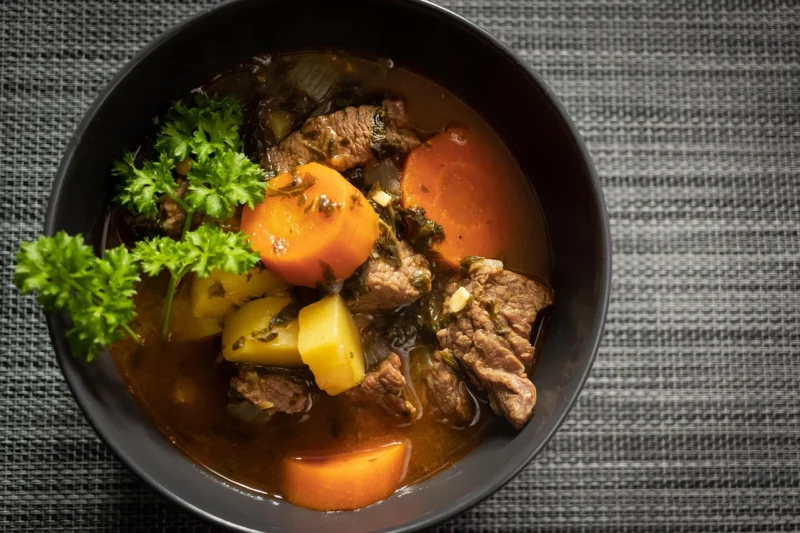
Tough Stew Meat vs. Tender Stew Meat: A Quick Comparison
| Factor | Tough Result | Tender Result |
|---|---|---|
| Beef cut | Lean sirloin, round, tenderloin | Chuck, brisket, short rib |
| Cube size | 1-inch or smaller | 1½–2 inches |
| Heat | Hard boil, rolling bubbles | Gentle simmer, small bubbles |
| Cooking time | Under 90 minutes | 2–3 hours stovetop, 6–8 hours slow cooker |
| Acid added | At the start with raw meat | After 1 hour of simmering |
| Browning | Skipped or crowded pan | Proper sear in batches, 2–3 sides |
One last thing: don’t confuse toughness with dryness. A tough piece of beef hasn’t broken down enough; a dry piece has lost too much moisture. Both can happen at the same time if you boil a lean cut. But if you use a well-marbled chuck and keep the heat low, the fat renders into the meat and the collagen turns to gelatin—that’s what gives stew its silky, rich texture. So next time, pick the right cut, keep it at a lazy bubble, and give it time. Your fork will thank you.
Frequently asked questions
Why is my beef stew meat tough after 2 hours?
It may need more time. Chuck and similar cuts often need 2½ to 3 hours of gentle simmering before the collagen fully breaks down. If you boiled it, the fibers could have seized. Check that the liquid is just barely bubbling, then continue simmering and test with a fork every 20 minutes.
Can you fix tough beef stew after it’s cooked?
Yes, in most cases. Return the stew to a gentle simmer, add a little broth or water if needed, and cook for another 30 to 60 minutes. The extra time at low heat helps break down more connective tissue. If the meat is already dry, shred it and mix it back into the broth to improve the texture.
What is the best cut of beef for stew?
Chuck roast is the best all-around choice. It has plenty of marbling and connective tissue, which becomes tender and flavorful during long, slow cooking. Brisket, short ribs, and bottom round also work well. Avoid lean cuts like sirloin, tenderloin, or eye of round for stew.
Should I boil or simmer beef stew?
Simmer, never boil. A hard boil causes the muscle fibers to contract and squeeze out moisture, making the meat dry and tough. A gentle simmer—small bubbles breaking the surface every second or two—keeps the temperature low enough for collagen to melt into gelatin while the meat stays moist.
Why does my beef stew taste dry even with lots of liquid?
Dryness in stew meat comes from moisture loss inside the muscle fibers, not from a lack of surrounding liquid. This usually happens when the stew is boiled or when a lean cut is used. Even with plenty of broth, the meat itself can feel dry and stringy. Use a well-marbled cut and keep the heat low.
Does browning beef make it tough?
No. Browning at high heat for a short time creates a flavorful crust and helps the cubes hold their shape, but it does not toughen the meat. Toughness comes from cooking too hot for too long or starting with a lean cut. Brown in batches and don’t cook the meat through during searing.
Can I use a slow cooker for beef stew?
Yes, a slow cooker is ideal. Brown the beef first if you can, then add all ingredients except vegetables that overcook easily. Cook on low for 6 to 8 hours or on high for 3 to 4 hours. Add potatoes and other root vegetables during the last hour so they stay intact while the meat becomes tender.